

In the realm of commercial settings, the choice of door buckle is a critical decision that impacts not only the security of the premises but also the overall functionality and aesthetic appeal. As a seasoned door buckle supplier, I've had the privilege of witnessing firsthand the diverse needs of commercial establishments and the various types of door buckles that best meet those requirements. In this blog, I'll explore the commonly used door buckles in commercial settings, shedding light on their features, advantages, and ideal applications.
1. Deadbolts
Deadbolts are one of the most popular choices for commercial doors, offering a high level of security. Unlike spring - loaded locks, deadbolts require a key to both lock and unlock. They typically have a solid metal bolt that extends into the door frame, providing a strong barrier against forced entry.
There are two main types of deadbolts: single - cylinder and double - cylinder. Single - cylinder deadbolts are operated with a key on the outside and a thumb turn on the inside. This type is convenient for easy access from the inside in case of an emergency. Double - cylinder deadbolts, on the other hand, require a key on both sides. While they offer enhanced security, they can pose a safety risk in case of a fire or other emergency if the key is not readily available on the inside.
Deadbolts are commonly used in commercial offices, retail stores, and warehouses. Their robust construction and reliable locking mechanism make them a staple in securing valuable assets and protecting the premises from unauthorized access.
2. Padlocks
Padlocks are versatile and widely used in commercial settings. They are portable and can be used on a variety of doors, gates, and storage units. Padlocks come in different sizes, materials, and levels of security.
High - security padlocks are often made of hardened steel and feature complex locking mechanisms, such as multiple pins or discs. These padlocks are resistant to picking, drilling, and cutting, making them suitable for securing high - value items or restricted areas.
On the other hand, standard padlocks are more affordable and are commonly used for less critical applications, such as locking storage sheds or temporary enclosures. Padlocks are easy to install and remove, which makes them a popular choice for situations where flexibility is required.
3. Mortise Locks
Mortise locks are a type of lock that is installed into a pocket (mortise) cut into the edge of the door. They are known for their durability and strength. Mortise locks typically have a larger and more robust locking mechanism compared to other types of locks, which makes them suitable for heavy - duty commercial doors.
These locks often come with a deadbolt and a latch, providing both security and convenience. Mortise locks are commonly used in commercial buildings with high - traffic areas, such as hotels, hospitals, and schools. Their ability to withstand frequent use and abuse makes them a reliable choice for long - term security.
4. Electromagnetic Locks
Electromagnetic locks, also known as maglocks, are becoming increasingly popular in commercial settings. They work by using an electromagnetic force to hold the door closed. When the power is turned off, either by a key switch, a card reader, or an emergency release, the lock disengages, allowing the door to open.
One of the main advantages of electromagnetic locks is their fail - safe operation. In case of a power outage, the lock will automatically release, ensuring that occupants can exit the building safely. Electromagnetic locks are commonly used in access - controlled areas, such as office buildings, banks, and data centers. They can be integrated with security systems, such as card readers or biometric scanners, to provide a high level of access control.
5. Cam Locks
Cam locks are simple and cost - effective locking solutions commonly used in commercial cabinets, drawers, and equipment enclosures. They consist of a cam (a rotating arm) that engages with a strike plate to hold the door or drawer closed.
Cam locks are available in different keying options, allowing for easy management of access. They are often used in settings where multiple cabinets or drawers need to be locked with a single key. Cam locks are also popular in industries such as hospitality, where they are used to secure guest room mini - bars and storage cabinets.
Related Hardware Components
In addition to the door buckles themselves, there are several related hardware components that play an important role in the overall functionality and security of the door.
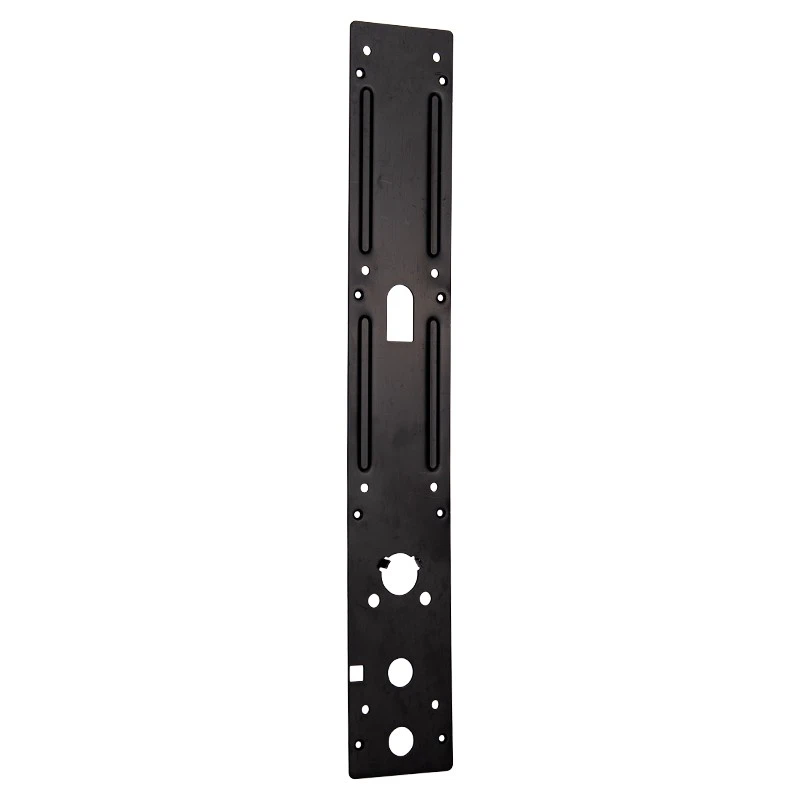
The Hardware Spring Plate is a crucial part of many locking mechanisms. It provides the necessary tension and flexibility to ensure smooth operation of the lock. The spring plate helps to keep the latch or bolt in place and can also absorb some of the shock and wear that occurs during normal use.
The Stamped Panel is used to protect the lock body and provide a finished appearance to the door. Stamped panels are often made of metal and can be customized to match the style and color of the door. They can also add an extra layer of security by covering the lock mechanism and preventing tampering.
The Lock Body Shell is the outer casing that houses the internal components of the lock. It provides protection against physical damage and environmental factors. A high - quality lock body shell is essential for the long - term performance and durability of the lock.
Conclusion
Choosing the right door buckle for a commercial setting is a decision that should not be taken lightly. Each type of door buckle has its own unique features, advantages, and ideal applications. Whether you need a high - security deadbolt for a retail store, a versatile padlock for a storage unit, or an electromagnetic lock for an access - controlled area, it's important to consider the specific needs of your commercial establishment.
As a door buckle supplier, I'm committed to providing high - quality products and expert advice to help you make the best choice for your security needs. If you're in the process of selecting door buckles for your commercial property, I encourage you to reach out to me. We can discuss your requirements in detail and find the perfect locking solutions for your doors.

Contact me today to start the conversation about your door buckle needs. Let's work together to ensure the security and functionality of your commercial premises.
References
- "Handbook of Locksmithing" by Louis A. Carelli
- "Security Locks and Hardware" by Don Neill
- Industry standards and guidelines from organizations such as the American National Standards Institute (ANSI) and the Builders Hardware Manufacturers Association (BHMA)