

As a supplier of Lock Body Shells, I often get asked whether it's necessary to lubricate a lock body shell. Well, let's dive right into this topic and figure out if it's a must - do or just an optional extra.
First off, let's understand what a lock body shell is. The Lock Body Shell is like the protective armor of a lock. It houses all the important components such as the lock core, springs, and tumblers. Its main job is to keep these parts safe from dust, debris, and physical damage.
Now, when it comes to lubrication, there are a few key reasons why it might be a good idea. One of the biggest benefits is reducing friction. Over time, as you insert and turn the key in the lock, the internal parts of the lock body shell rub against each other. This constant friction can cause wear and tear, leading to a lock that becomes harder to turn or might even jam. By applying a good quality lubricant, you create a smooth layer between these moving parts. This layer reduces the amount of friction, allowing the key to turn more easily and smoothly. It's like giving your lock a little helping hand to do its job.
Another reason for lubricating the lock body shell is preventing corrosion. Locks are often exposed to various environmental conditions. Moisture in the air can seep into the lock, especially in humid climates or if the lock is installed outdoors. This moisture can cause rust to form on the metal parts of the lock body shell. Rust not only looks bad but can also make the lock malfunction. A lubricant acts as a barrier against moisture. It coats the metal surfaces, preventing water from coming into direct contact with the metal and thus reducing the risk of corrosion.
But, it's not all sunshine and rainbows when it comes to lubrication. There are also some potential downsides. If you use the wrong type of lubricant, it can actually do more harm than good. For example, thick greases can attract dust and dirt. Over time, this dust and dirt can build up inside the lock body shell, creating a sticky mess that can clog the lock and make it even harder to operate. So, it's crucial to choose the right lubricant. A light, dry lubricant such as graphite powder is often a great choice for locks. It doesn't attract dust and provides good lubrication.
Let's talk about how often you should lubricate your lock body shell. There's no one - size - fits - all answer to this question. It depends on a few factors such as how often the lock is used and the environmental conditions it's exposed to. If you have a lock that's used multiple times a day, like the front door of a busy office, it might need lubrication every few months. On the other hand, a lock on a rarely used shed door might only need lubrication once a year.

Now, let's take a look at some related components. The Lock Core Linkage and Clips are also important parts of the locking mechanism. These parts connect the lock core to the other components inside the lock body shell. Lubricating these parts can also improve the overall performance of the lock. The smooth operation of the lock core linkage ensures that the lock engages and disengages properly.
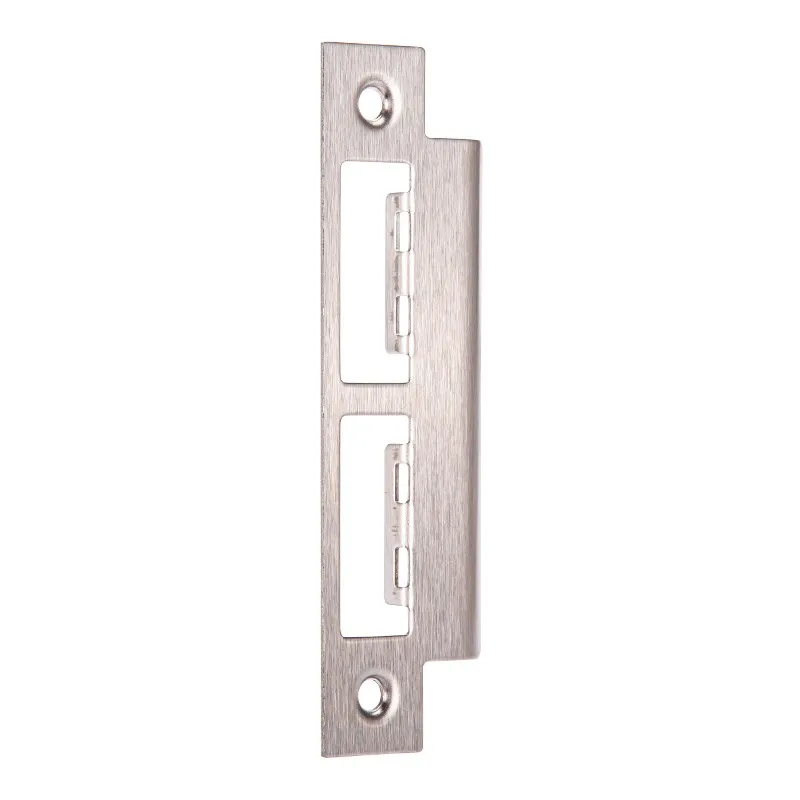
The Door Buckle is another part that can benefit from lubrication. It's used to secure the door in place when it's closed. If the door buckle is not lubricated, it can become stiff, making it difficult to open or close the door smoothly. A little bit of lubricant on the door buckle can make a big difference in the functionality of the door.
So, is it necessary to lubricate a lock body shell? Well, in most cases, it's a good idea. It can extend the life of your lock, improve its performance, and prevent potential problems. However, it's important to do it right. Choose the right lubricant, apply it correctly, and do it at the appropriate intervals.
If you're in the market for high - quality Lock Body Shells, Lock Core Linkage and Clips, or Door Buckles, I'm here to help. As an experienced supplier, I can offer you top - notch products that meet your needs. Whether you're a DIY enthusiast looking to upgrade your home locks or a professional in the security industry, I've got you covered. Feel free to reach out to discuss your requirements and start a procurement negotiation. I'm confident that we can find the perfect solutions for your locking needs.
References
- General knowledge on lock mechanisms and maintenance
- Industry experience as a Lock Body Shell supplier