

Hey there! As a supplier of Zinc Alloy Handle Locks, I often get asked about the flexural strength of these locks. So, I thought I'd dive deep into this topic and share everything you need to know.
First off, let's break down what flexural strength actually means. Flexural strength, also known as bend strength, is the ability of a material to resist deformation under bending forces. In the context of zinc alloy handle locks, it's crucial because these locks are constantly subjected to various forces when being opened, closed, or even when someone leans on the door.
Zinc alloy is a popular choice for handle locks for several reasons. It's relatively inexpensive compared to some other metals, it has good casting properties, which means it can be easily shaped into different lock designs, and it offers decent corrosion resistance. But when it comes to flexural strength, how does it stack up?
The flexural strength of zinc alloy handle locks depends on a few factors. One of the main factors is the composition of the zinc alloy itself. Different alloys have different proportions of zinc and other elements like aluminum, copper, and magnesium. These additional elements can significantly affect the mechanical properties of the alloy, including its flexural strength.
For example, an alloy with a higher percentage of aluminum might have better strength and hardness, which in turn can improve the flexural strength of the handle lock. On the other hand, too much aluminum can make the alloy brittle, reducing its ability to withstand bending forces without cracking.
Another factor that affects flexural strength is the manufacturing process. The way the handle lock is cast, machined, and heat-treated can all have an impact on its final strength. For instance, proper heat treatment can relieve internal stresses in the alloy, making it more resistant to bending.
Now, let's talk about why flexural strength matters for zinc alloy handle locks. A lock with low flexural strength is more likely to bend or break under normal use. This can lead to problems like the lock not functioning properly, the handle becoming loose, or even the lock failing completely. Imagine having a lock on your bathroom door that breaks because someone accidentally leaned on it too hard. It would be a major inconvenience, not to mention a security risk.
On the other hand, a lock with high flexural strength is more durable and reliable. It can withstand the daily wear and tear of normal use, as well as any unexpected forces that might be applied to it. This means you can have peace of mind knowing that your lock will keep your door secure for a long time.
At our company, we take the flexural strength of our zinc alloy handle locks very seriously. We use high-quality alloys and state-of-the-art manufacturing processes to ensure that our locks have the best possible strength and durability. We also conduct rigorous testing on our products to make sure they meet or exceed industry standards.
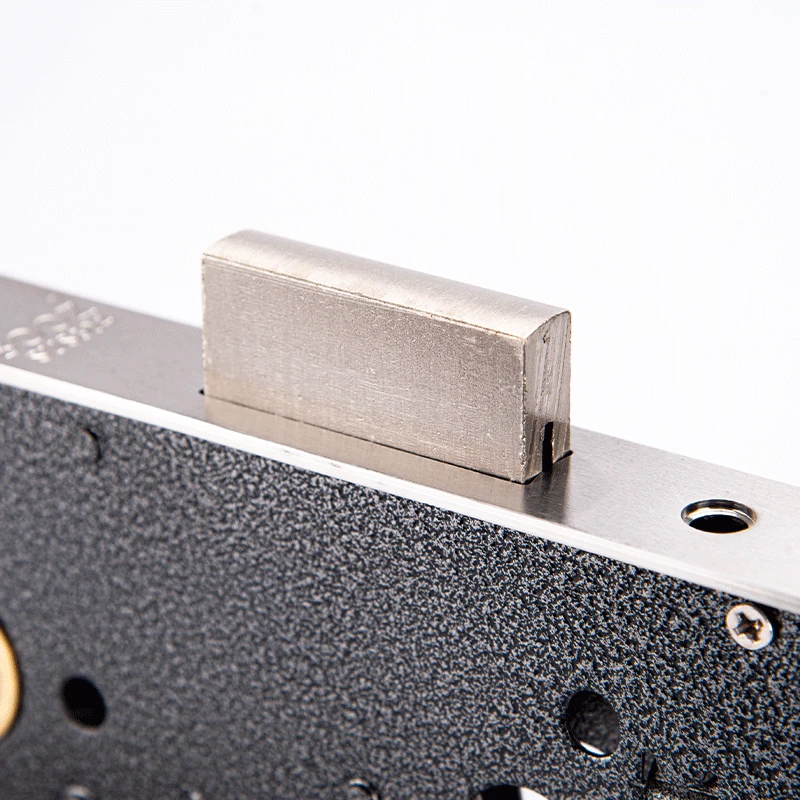

If you're in the market for a new zinc alloy handle lock, here are some of our top products that you might be interested in:
- Matt Black Bathroom Door Handle With Lock: This sleek and modern handle lock is perfect for bathrooms. It has a matte black finish that gives it a stylish look, and it's designed to be easy to install and use.
- Lever Door Handle With Key Lock: This classic lever handle lock is a popular choice for both residential and commercial doors. It has a key lock for added security, and it's available in a variety of finishes to match your decor.
- Handle Latch Door Lock: This simple and practical handle latch lock is ideal for interior doors. It's easy to operate and provides a basic level of security.
In conclusion, the flexural strength of zinc alloy handle locks is an important factor to consider when choosing a lock for your door. By understanding what affects flexural strength and choosing a high-quality lock, you can ensure that your door is secure and your lock will last for a long time.
If you have any questions about our zinc alloy handle locks or would like to discuss your specific needs, please don't hesitate to get in touch. We're here to help you find the perfect lock for your home or business.
References:
- "Materials Science and Engineering: An Introduction" by William D. Callister Jr. and David G. Rethwisch
- "Handbook of Zinc and Zinc Alloys" by J. F. Luecke