

Yo, folks! As a door handle lock supplier, I've heard all sorts of issues from customers, especially when winter rolls around. One of the most common headaches is dealing with frozen door handle locks. It's a real pain in the you - know - what when you're standing outside in the cold, shivering, and your lock just won't budge because it's frozen solid. So, I thought I'd share some of the best ways to prevent this from happening.
Understand Why Locks Freeze
First off, let's talk about why door handle locks freeze in the first place. Water is the main culprit here. It can get into the lock through tiny cracks, condensation, or even when you're trying to clean the lock. When the temperature drops below freezing, that water turns into ice, and boom! Your lock is frozen. Another factor is humidity. High humidity can lead to more condensation inside the lock, increasing the chances of freezing.
Lubrication Is Key
One of the simplest and most effective ways to prevent a door handle lock from freezing is by lubricating it regularly. A good lubricant creates a barrier that keeps water out and reduces friction. You can use graphite powder or a silicone - based lubricant. Graphite is great because it doesn't attract dirt and dust as much as oil - based lubricants. Just a little bit of graphite powder in the keyhole can work wonders.
To apply it, you can use a graphite powder dispenser or a simple straw. Put the graphite powder in the keyhole and then insert the key a few times to distribute the powder evenly. Silicone - based lubricants are also a good option. They're waterproof and can withstand low temperatures. You can find them at most hardware stores. Just spray a small amount into the keyhole and work the key back and forth.
Keep It Dry
Keeping the lock dry is crucial. If you notice any water around the lock, dry it off immediately. You can use a dry cloth or a small hair dryer on a low, cool setting to remove moisture. Avoid using hot air, as it can damage the lock.
Another tip is to install a door sweep or weatherstripping. These can help keep rain, snow, and cold air from getting to the lock. A well - sealed door will also improve your home's energy efficiency. You can find door sweeps and weatherstripping at your local home improvement store and install them yourself with just a few tools.
Insulate the Lock
Insulating the lock can also prevent it from freezing. You can use a lock cover or a thermal sleeve. A lock cover is a plastic or rubber cap that fits over the lock, protecting it from the elements. Thermal sleeves are made of insulating materials and can be wrapped around the lock. They're especially useful for outdoor locks.
Some lock covers come with a built - in key slot, so you don't have to remove the cover every time you use the key. You can find these at hardware stores or online. If you're feeling handy, you can even make your own lock cover using a piece of foam or rubber.
Use a Key Storage Box
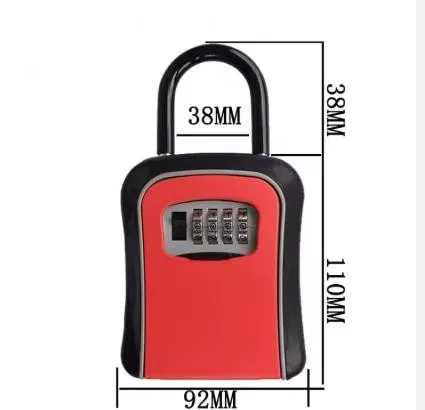
If you're worried about your key getting wet or frozen, consider using a Key Storage Box. These boxes are designed to keep your keys dry and protected. You can mount them near the door, so you always have easy access to your keys. Some key storage boxes even have a combination lock, so you don't have to worry about losing a key.
Choose the Right Door Handle Lock
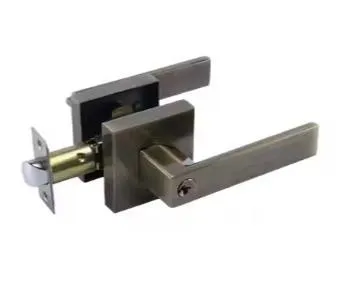
When it comes to preventing frozen locks, choosing the right door handle lock is important. Look for locks that are designed to be weather - resistant. For example, Black Square Door Handles With Lock are often made of materials that can withstand cold temperatures and moisture. They also have a sleek design that can enhance the look of your door.
Some locks come with built - in anti - freeze features, such as a special coating or a sealed design. These features can help prevent water from getting inside the lock and reduce the risk of freezing. When you're shopping for a door handle lock, ask the salesperson about the lock's weather - resistance and anti - freeze capabilities.
Check Your Keys
Your keys can also play a role in preventing frozen locks. Make sure your keys are dry before inserting them into the lock. If your keys are wet, dry them off with a cloth. You can also keep a spare key in a dry place, just in case your main key gets wet or lost.
Professional Maintenance
If you're still having problems with frozen locks, it might be a good idea to call a professional locksmith. A locksmith can inspect the lock, clean it, and make any necessary repairs. They can also provide advice on how to prevent future freezing.
Conclusion
Preventing a door handle lock from freezing in winter doesn't have to be a hassle. By following these tips, you can keep your lock working smoothly all winter long. Lubricate the lock regularly, keep it dry, insulate it, and choose the right lock. And if you're in the market for a new door handle lock, check out our Door Handle With Lock Set. We offer a wide range of high - quality, weather - resistant locks that are perfect for any home.
If you have any questions or want to discuss your door handle lock needs, feel free to reach out. We're here to help you find the best solution for your home. Whether you're a homeowner, a contractor, or a property manager, we've got the expertise and the products to meet your requirements. Let's work together to keep your doors secure and your locks ice - free this winter!
References
- "Home Improvement Handbook" by DIY Experts
- "Locksmithing Basics" by Locksmith Association