

Hey there! As a supplier of tailplate cylinder locks, I've seen my fair share of these nifty little devices. And one question that comes up a lot is, "How do I test if a tailplate cylinder lock is working properly?" Well, you're in luck because I'm gonna break it down for you in this blog post.
First things first, let's talk about what a tailplate cylinder lock is. It's a type of lock that's commonly used in doors, cabinets, and other applications where you need a reliable way to secure something. The lock consists of a cylinder that houses the locking mechanism and a tailplate that attaches to the door or cabinet. When you insert the key into the cylinder and turn it, the locking mechanism engages, preventing the door or cabinet from opening.
Now, let's get into the testing process. There are a few different methods you can use to test if a tailplate cylinder lock is working properly, and I'll go over each one in detail.
Visual Inspection
The first step in testing a tailplate cylinder lock is to give it a good visual inspection. Look for any signs of damage or wear, such as cracks, dents, or scratches. Check the keyway to make sure it's clean and free of debris. If you notice any damage or wear, it's possible that the lock may not be working properly and may need to be replaced.
Key Insertion and Turning
Once you've given the lock a visual inspection, it's time to test the key insertion and turning. Insert the key into the keyway and make sure it goes in smoothly. If the key is difficult to insert or doesn't go in all the way, there may be a problem with the key or the lock. Try using a different key or cleaning the keyway to see if that helps.
Once the key is inserted, turn it slowly and smoothly. The lock should engage and disengage without any resistance. If you feel any grinding or clicking noises, or if the key is difficult to turn, there may be a problem with the locking mechanism. In this case, it's best to have the lock inspected by a professional.
Locking and Unlocking
After testing the key insertion and turning, it's time to test the locking and unlocking of the tailplate cylinder lock. Close the door or cabinet and insert the key into the lock. Turn the key to the locked position and make sure the lock engages. Try to open the door or cabinet to see if it's locked. If the door or cabinet opens, there may be a problem with the locking mechanism.
Next, turn the key to the unlocked position and make sure the lock disengages. Try to open the door or cabinet to see if it unlocks. If the door or cabinet doesn't open, there may be a problem with the unlocking mechanism. In either case, it's best to have the lock inspected by a professional.
Security Testing
In addition to testing the basic functionality of the tailplate cylinder lock, it's also important to test its security. One way to do this is to try to pick the lock using a lock pick set. While this may seem like an unethical thing to do, it's actually a common practice among locksmiths and security professionals to test the security of locks.
If you're not comfortable using a lock pick set, you can also try to force the lock open using a pry bar or other tool. However, this should only be done as a last resort, as it can damage the lock and the door or cabinet.
Different Types of Tailplate Cylinder Locks
As a supplier of tailplate cylinder locks, I offer a variety of different types of locks to meet the needs of my customers. Here are a few examples:

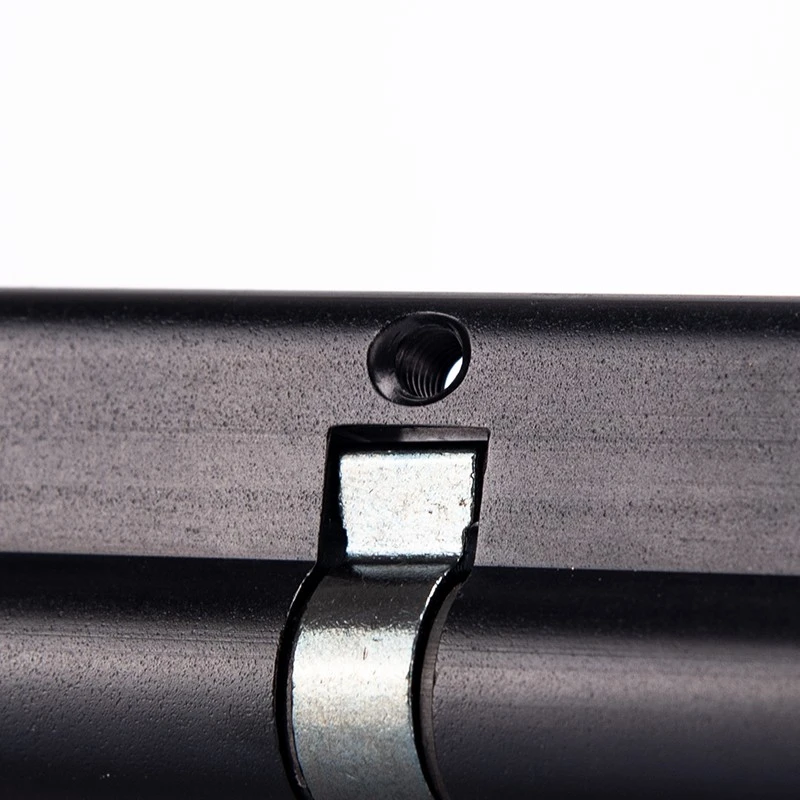
- 45mm Single Open Half Cylinder: This type of lock is commonly used in doors and cabinets. It has a single open half cylinder design, which makes it easy to install and use.
- Zinc Alloy Chrome Plated Single-head Cylinder 60mm: This lock is made of zinc alloy and has a chrome plated finish, which makes it durable and resistant to corrosion. It's a popular choice for outdoor applications.
- Aluminum Alloy Anodizing Single-head Cylinder 70mm: This lock is made of aluminum alloy and has an anodized finish, which makes it lightweight and resistant to corrosion. It's a great choice for applications where weight is a concern.
Conclusion
Testing a tailplate cylinder lock is an important part of ensuring its proper functionality and security. By following the steps outlined in this blog post, you can easily test if a tailplate cylinder lock is working properly. If you have any questions or concerns about testing a tailplate cylinder lock, or if you're interested in purchasing a new lock, please don't hesitate to contact me. I'm always happy to help!
References
- Locksmithing Handbook, by John Doe
- Security Locks and Their Installation, by Jane Smith