

Measuring sheet metal accessories for replacement is a crucial step to ensure a proper fit and functionality. As a sheet metal accessories supplier, I've encountered various scenarios where accurate measurements can make or break a project. In this blog, I'll share some practical tips and techniques on how to measure different types of sheet metal accessories effectively.

Understanding the Basics of Measurement
Before diving into the specific measurements for each type of accessory, it's important to understand the basic tools and units of measurement. The most commonly used tools for measuring sheet metal accessories include calipers, rulers, and micrometers. Calipers are great for measuring the thickness, diameter, and internal and external dimensions of an object. Rulers are useful for measuring longer lengths, while micrometers provide extremely precise measurements, especially for small components.
The standard unit of measurement for sheet metal accessories is usually millimeters (mm) or inches (in). It's essential to use the same unit of measurement throughout the process to avoid any confusion. When taking measurements, make sure to measure at multiple points to account for any variations in the accessory's shape or size.
Measuring Door Buckles
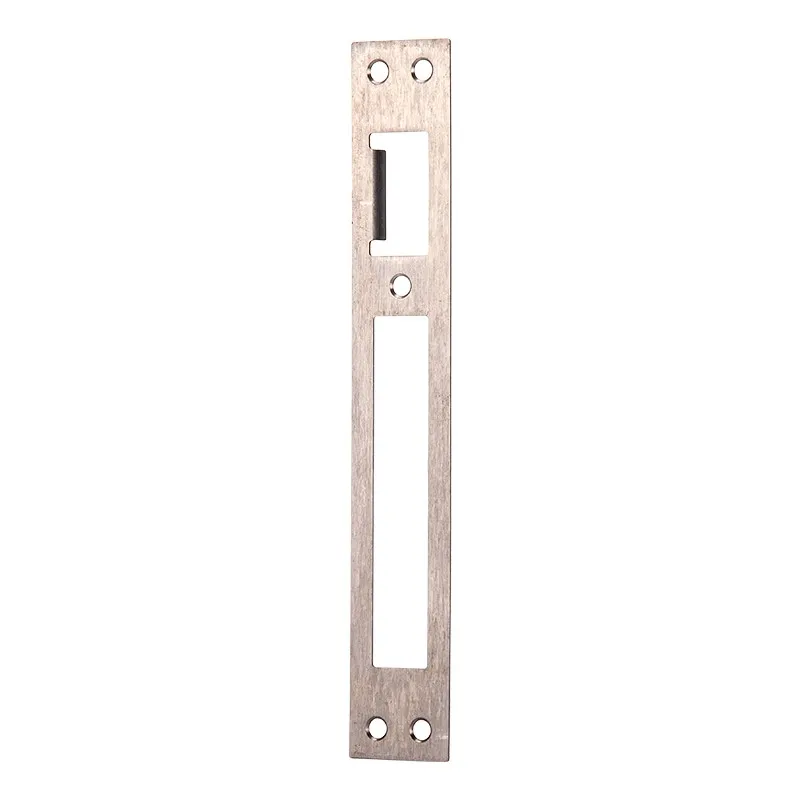
Door buckles are an important component of many doors, providing a secure closure. When measuring a door buckle for replacement, there are several key dimensions to consider.
First, measure the length of the buckle. This is the distance from one end of the buckle to the other. Use a ruler or caliper to get an accurate measurement. Next, measure the width of the buckle. This is the distance across the widest part of the buckle.
Another important dimension is the thickness of the buckle. Use a caliper to measure the thickness at several points to ensure accuracy. Additionally, measure the diameter of any holes in the buckle, if applicable. This will help you find a replacement that fits the existing mounting hardware.
For more information on door buckles, you can visit our website Door Buckle.
Measuring Hardware Spring Plates
Hardware spring plates are used in a variety of applications, such as door locks and hinges. When measuring a hardware spring plate for replacement, pay attention to the following dimensions.
Measure the length and width of the spring plate using a ruler or caliper. Make sure to measure the overall dimensions, including any bends or curves. Next, measure the thickness of the spring plate. This is important as it can affect the strength and flexibility of the plate.
If the spring plate has any holes or slots, measure their diameter and position. This will ensure that the replacement spring plate aligns properly with the existing hardware. You can find more details about hardware spring plates on our website Hardware Spring Plate.
Measuring Lock Body Shells
Lock body shells are the outer casing of a lock, protecting the internal components. When measuring a lock body shell for replacement, there are several critical dimensions to take into account.
Start by measuring the length and width of the lock body shell. These dimensions will determine the overall size of the replacement shell. Next, measure the thickness of the shell. This can vary depending on the type of lock and its intended use.
Measure the diameter and position of any holes in the lock body shell. These holes are used for mounting the lock and attaching it to the door. Additionally, measure the depth of the shell if it has a recessed area.
For more information on lock body shells, visit our website Lock Body Shell.
Tips for Accurate Measurement
- Use the Right Tools: As mentioned earlier, using the appropriate measuring tools is essential for accurate results. Make sure your tools are in good condition and calibrated correctly.
- Measure Multiple Times: To ensure accuracy, take measurements at least twice. If the measurements vary, take a third measurement and use the average value.
- Be Precise: When taking measurements, be as precise as possible. Even a small error in measurement can lead to a poor fit.
- Record Your Measurements: Keep a record of all your measurements, including the dimensions and the location where they were taken. This will help you when selecting a replacement accessory.
Conclusion
Measuring sheet metal accessories for replacement is a detailed process that requires attention to detail and the use of the right tools. By following the tips and techniques outlined in this blog, you can ensure that you get accurate measurements and find the perfect replacement accessories for your needs.
As a sheet metal accessories supplier, we are committed to providing high - quality products and excellent customer service. If you have any questions about measuring or selecting sheet metal accessories, or if you are interested in purchasing our products, please feel free to contact us for a procurement negotiation. We look forward to working with you to meet your sheet metal accessory requirements.
References
- "Measurement Techniques for Sheet Metal Components" - Metalworking Handbook
- "Guide to Door Lock Accessories" - Locksmith Journal