

Hey there! As a supplier of Lock Body Shells, I've seen firsthand how important it is to maintain these components properly. A well - maintained lock body shell not only ensures the security of your property but also extends the lifespan of the lock. In this blog, I'll share some tips on how to maintain a modular lock body shell.
1. Regular Cleaning
One of the simplest yet most effective ways to maintain a lock body shell is through regular cleaning. Over time, dust, dirt, and debris can accumulate inside and around the lock body shell, which can affect its performance.
First, start by using a soft - bristled brush to gently remove any loose dirt from the surface of the lock body shell. You can also use a can of compressed air to blow out any dust that might be trapped in the small crevices. For a more thorough clean, you can use a mild soap and water solution. Dip a clean cloth into the solution, wring it out well, and then wipe the lock body shell. Make sure to dry it completely to prevent rusting.
Remember, when cleaning, be careful not to use abrasive materials or harsh chemicals. These can damage the finish of the Lock Body Shell and reduce its durability.
2. Lubrication
Proper lubrication is crucial for the smooth operation of a modular lock body shell. Without it, the internal components can become stiff and difficult to move, leading to jamming and other issues.
You should use a high - quality lubricant specifically designed for locks. Graphite powder is a great option as it is dry and doesn't attract dust. To apply the lubricant, insert the key into the lock and then tap some graphite powder into the keyway. Turn the key back and forth a few times to distribute the lubricant evenly.
If you prefer a liquid lubricant, make sure it is a light - weight oil. Apply a small amount to the key and insert it into the lock. Move the key in and out a few times to spread the oil throughout the lock mechanism. But be careful not to over - lubricate, as too much oil can attract dirt and cause more problems.
3. Inspection for Damage
Regularly inspecting the lock body shell for damage is an important part of maintenance. Look for any signs of wear and tear, such as scratches, dents, or cracks. Even small damages can compromise the security of the lock and its functionality.
If you notice any damage, assess whether it can be repaired or if a replacement is necessary. Minor scratches can sometimes be buffed out, but more severe damage, like a cracked shell, will likely require a new Lock Body Shell.
Check the internal components as well. Make sure that all the pins, springs, and other parts are in good condition. If you find any broken or worn - out parts, replace them as soon as possible.
4. Protection from the Elements
The environment can have a significant impact on the condition of a lock body shell. Exposure to extreme weather conditions, such as rain, snow, and high humidity, can cause rust and corrosion.
If your lock is installed outdoors, consider using a weather - resistant cover. This can help protect the lock body shell from direct exposure to the elements. You can also apply a protective coating to the shell to prevent rust. There are many rust - resistant sprays available in the market that can provide an extra layer of protection.
In areas with high humidity, it's a good idea to install a dehumidifier near the lock. This can help reduce the moisture in the air and prevent rusting.

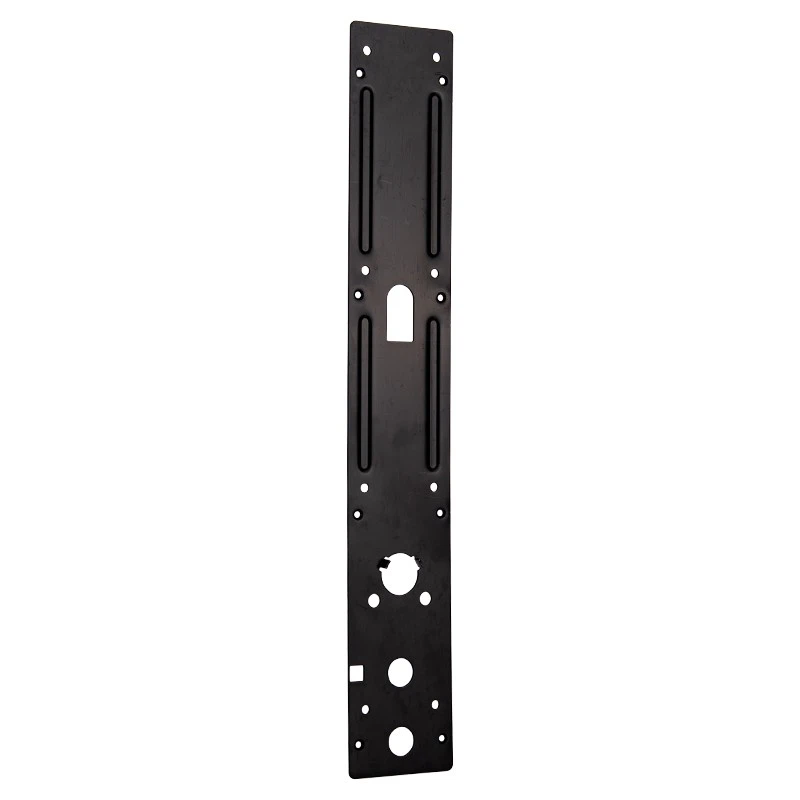
5. Proper Installation
Proper installation is the foundation of a well - maintained lock body shell. If the lock is not installed correctly, it can lead to a host of problems, including misalignment, difficulty in operation, and premature wear.
When installing a lock body shell, make sure to follow the manufacturer's instructions carefully. Use the right tools and ensure that all the parts are tightened properly. If you're not confident in your installation skills, it's best to hire a professional locksmith.
6. Compatibility with Other Components
A modular lock body shell is often part of a larger lock system. It's important to ensure that it is compatible with other components, such as Stamped Panel and Hardware Spring Plate.
Incompatible components can cause the lock to malfunction. For example, if the spring plate is too strong or too weak for the lock body shell, it can affect the locking and unlocking mechanism. Always check the specifications of all the components before installation to ensure a proper fit.
7. Security Upgrades
As technology advances, so do the threats to our security. Consider upgrading your lock body shell and related components to enhance security.
There are many new features available, such as anti - pick and anti - drill mechanisms. These can make it much more difficult for burglars to break into your property. You can also look into smart lock options that offer additional security features, like remote access and activity monitoring.
8. Record Keeping
Keep a record of the maintenance activities for your lock body shell. This includes the dates of cleaning, lubrication, inspections, and any repairs or replacements.
Record - keeping helps you keep track of the condition of the lock and plan for future maintenance. It also provides valuable information if you need to warranty the lock or if you're selling the property.
Conclusion
Maintaining a modular lock body shell is not a difficult task, but it does require some time and effort. By following these tips, you can ensure that your lock body shell remains in good condition and provides reliable security for years to come.
If you're in the market for high - quality Lock Body Shell, Stamped Panel, or Hardware Spring Plate, feel free to reach out for a purchase negotiation. We're here to help you find the best solutions for your security needs.
References
- General knowledge about lock maintenance from years of experience in the lock body shell supply business.
- Manufacturer's guidelines for lock body shell installation and maintenance.