

As a sheet metal accessories supplier, I've witnessed firsthand the significant waste generated during the production process. Sheet metal accessories, such as Lock Core Linkage and Clips, Stamped Panel, and Door Buckle, are in high demand across various industries. However, the manufacturing of these products often results in substantial waste, including scrap metal, off - cuts, and used lubricants. In this blog, I'll share some effective strategies on how to deal with this waste, aiming to promote a more sustainable and efficient production environment.
Understanding the Types of Waste in Sheet Metal Accessories Production
Before we can address the waste issue, it's crucial to understand the different types of waste generated. The primary waste streams in sheet metal accessories production include:
- Scrap Metal: This is the most common type of waste. It consists of excess metal from cutting, stamping, and machining processes. Scrap metal can be further classified into clean scrap, which is free from contaminants, and dirty scrap, which may be mixed with other materials like paint or grease.
- Off - cuts: These are small pieces of sheet metal that are left over after cutting larger sheets to the required size. Off - cuts are often too small to be used in the production of standard accessories but can still have some value.
- Used Lubricants and Coolants: During machining operations, lubricants and coolants are used to reduce friction and heat. Over time, these fluids become contaminated with metal particles and other impurities, rendering them unsuitable for further use.
- Packaging Waste: Sheet metal accessories are typically packaged in boxes, plastic wraps, and other materials. Once the products are delivered to customers, this packaging waste is often discarded.
Recycling Scrap Metal
Recycling is one of the most effective ways to deal with scrap metal waste. Recycling not only reduces the amount of waste sent to landfills but also conserves natural resources and energy. Here's how we can approach scrap metal recycling:
- Segregation: Separate clean scrap from dirty scrap at the source. Clean scrap can be sold directly to metal recyclers, who will melt it down and reuse it in the production of new metal products. Dirty scrap may require additional processing to remove contaminants before it can be recycled.
- Partnering with Recyclers: Establish partnerships with reliable metal recyclers. Look for recyclers who have a good reputation for environmental compliance and fair pricing. Regularly sell your scrap metal to these recyclers to ensure a steady stream of income from your waste.
- In - house Recycling: For larger sheet metal suppliers, setting up an in - house recycling system may be a viable option. This involves using equipment to process scrap metal on - site, such as shredders and crushers. In - house recycling can reduce transportation costs and increase the efficiency of the recycling process.
Reusing Off - cuts
Off - cuts may seem like waste, but with a little creativity, they can be reused in various ways:
- Small - scale Production: Use off - cuts to produce smaller, non - standard sheet metal accessories. For example, small pieces of sheet metal can be used to make brackets, clips, or decorative elements. This not only reduces waste but also allows you to offer a wider range of products to your customers.
- Art and Crafts: Donate off - cuts to local art schools or community centers. Artists and students can use these materials in their projects, giving the off - cuts a new lease on life.
Managing Used Lubricants and Coolants
Used lubricants and coolants can be a significant environmental hazard if not managed properly. Here are some strategies for dealing with these waste products:
- Filtration and Reclamation: Invest in filtration systems to remove metal particles and other impurities from used lubricants and coolants. Once filtered, these fluids can often be reused in the production process, reducing the need for new lubricants and coolants.
- Proper Disposal: If the used lubricants and coolants cannot be reclaimed, they must be disposed of properly. Contact a licensed waste disposal company that specializes in handling hazardous waste. Ensure that the disposal process complies with all relevant environmental regulations.
Reducing Packaging Waste
Packaging waste can be minimized through the following measures:
- Optimizing Packaging Design: Review your packaging design to ensure that it uses the minimum amount of material necessary to protect the sheet metal accessories during transportation. Use lightweight and recyclable materials whenever possible.
- Encouraging Returnable Packaging: Consider implementing a returnable packaging program. Provide customers with reusable containers or packaging materials and offer incentives for returning them. This not only reduces packaging waste but also builds a more sustainable relationship with your customers.
The Economic and Environmental Benefits of Waste Management
Implementing effective waste management strategies in sheet metal accessories production offers several benefits:
- Cost Savings: Recycling scrap metal and reusing off - cuts can generate additional revenue for your business. Additionally, reducing the use of new lubricants and coolants through reclamation can lower your production costs.
- Environmental Sustainability: By reducing the amount of waste sent to landfills and conserving natural resources, you contribute to a more sustainable environment. This can enhance your company's reputation and make you more attractive to environmentally - conscious customers.
- Compliance with Regulations: Proper waste management ensures that your business complies with environmental regulations. Avoiding fines and legal issues associated with improper waste disposal can save your company significant amounts of money in the long run.
Conclusion
As a sheet metal accessories supplier, dealing with the waste generated from production is not only an environmental responsibility but also a business opportunity. By implementing the strategies outlined in this blog, such as recycling scrap metal, reusing off - cuts, managing used lubricants and coolants, and reducing packaging waste, we can create a more sustainable and efficient production process.

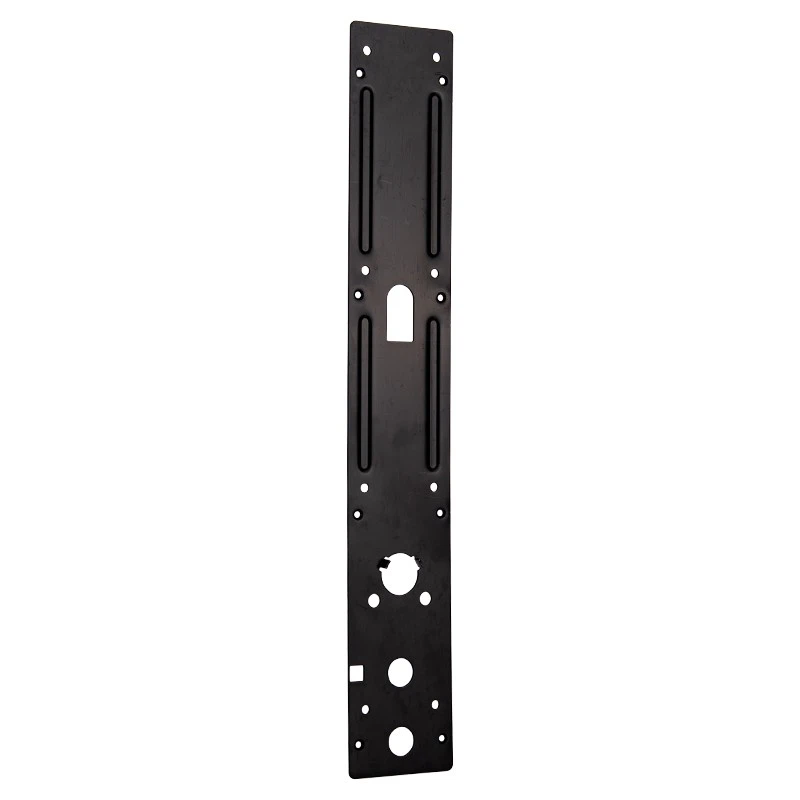
If you're interested in purchasing high - quality sheet metal accessories, including Lock Core Linkage and Clips, Stamped Panel, and Door Buckle, please feel free to contact us for a detailed discussion on your requirements. We're committed to providing you with products that are not only of the highest quality but also produced in an environmentally - friendly manner.
References
- "Metal Recycling Handbook" by John Doe
- "Sustainable Manufacturing Practices in the Sheet Metal Industry" by Jane Smith
- Environmental Protection Agency guidelines on waste management in the manufacturing sector.