

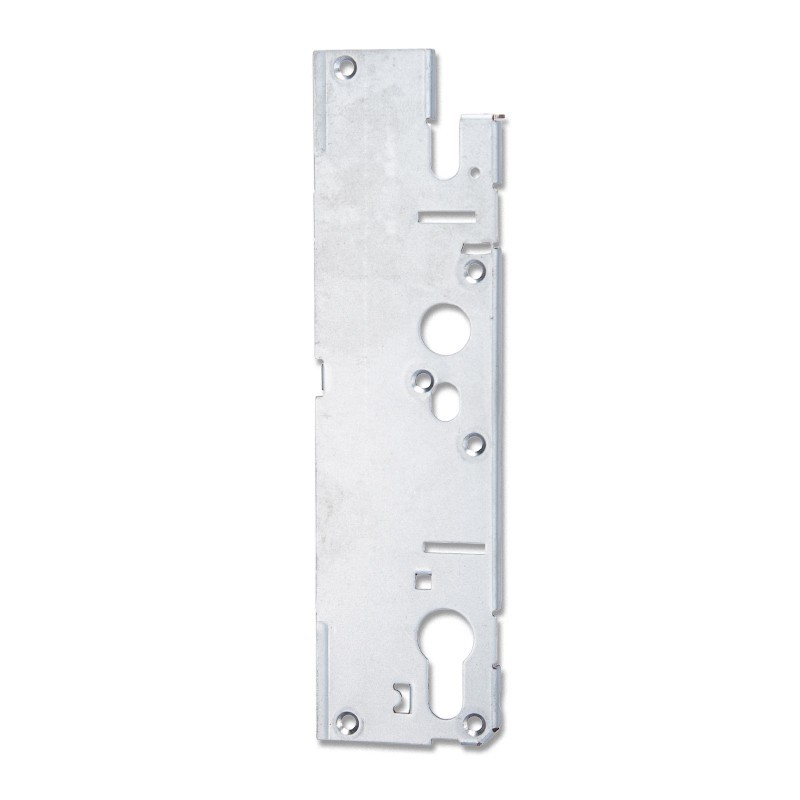
As a supplier of Lock Body Shell, I've encountered numerous inquiries about cleaning stubborn stains on lock body shells. These stains can not only mar the appearance of the lock but also potentially affect its functionality over time. In this blog, I'll share some effective methods to clean these stubborn stains, ensuring your locks remain in top - notch condition.
Understanding the Types of Stains
Before diving into the cleaning process, it's essential to understand the different types of stains that can accumulate on lock body shells.
Rust Stains
Rust is a common problem, especially in areas with high humidity or where the lock is exposed to moisture. It occurs when iron in the metal of the lock body shell reacts with oxygen in the presence of water. Rust stains can range from light orange discolorations to dark, flaky patches.
Grease and Oil Stains
Locks often come into contact with hands that may have grease or oil on them. Additionally, the internal mechanisms of the lock may release small amounts of lubricating oil over time, which can seep out and create stains on the shell. These stains are usually dark and sticky.

Dirt and Grime
Everyday exposure to dust, dirt, and environmental pollutants can lead to a build - up of dirt and grime on the lock body shell. This type of stain is more of a general discoloration and can make the lock look dull and unappealing.
Cleaning Methods for Different Stains
Rust Stains
- Vinegar Soak: Vinegar is a mild acid that can help dissolve rust. Fill a container large enough to submerge the lock body shell with white vinegar. Place the shell in the vinegar and let it soak for several hours or overnight. After soaking, use a soft brush or toothbrush to gently scrub away the loosened rust. Rinse the shell thoroughly with water and dry it completely to prevent further rusting.
- Lemon Juice and Salt: Create a paste by mixing lemon juice and salt. Apply the paste to the rust stains and let it sit for about 30 minutes. The acid in the lemon juice will react with the rust, while the salt acts as an abrasive. Use a soft cloth or brush to scrub the stains, then rinse and dry the shell.
Grease and Oil Stains
- Dish Soap Solution: Mix a few drops of mild dish soap with warm water in a bowl. Dip a soft cloth or sponge into the solution and wring it out so it's damp but not dripping. Gently wipe the grease and oil stains on the lock body shell. For stubborn stains, you may need to apply a bit more pressure or let the soapy solution sit on the stain for a few minutes before wiping. Rinse the shell with clean water and dry it.
- Baking Soda Paste: Make a paste by combining baking soda with a small amount of water. Apply the paste to the grease stains and let it sit for 15 - 20 minutes. Baking soda is a natural cleaner and deodorizer that can help break down the grease. Use a soft brush to scrub the stains, then rinse and dry the shell.
Dirt and Grime
- Mild Detergent and Water: Prepare a solution of mild detergent and water. Use a soft cloth or sponge to wipe the lock body shell, paying special attention to areas with visible dirt and grime. Rinse the shell thoroughly with clean water to remove any detergent residue and dry it with a clean towel.
- Commercial Cleaning Products: There are many commercial metal cleaners available on the market. Choose a product that is suitable for the material of your lock body shell. Follow the instructions on the product label carefully. Usually, you'll need to apply the cleaner to a cloth and then wipe the shell. Rinse and dry the shell after cleaning.
Precautions When Cleaning
- Protect the Lock Mechanism: Before cleaning the lock body shell, cover the keyhole and any other openings with tape to prevent water or cleaning solutions from getting inside the lock mechanism. This can avoid damage to the internal components such as the Lock Core Linkage and Clips.
- Test in a Small Area: Before applying any cleaning solution to the entire lock body shell, test it in a small, inconspicuous area. This helps ensure that the solution does not cause any discoloration or damage to the shell.
- Use the Right Tools: Always use soft - bristled brushes, cloths, or sponges to avoid scratching the lock body shell. Scratches can not only affect the appearance but also make the shell more prone to rusting and staining in the future.
Maintaining a Clean Lock Body Shell
- Regular Cleaning: Establish a regular cleaning schedule for your locks. Depending on the environment and usage, cleaning the lock body shell once every few months can help prevent the build - up of stubborn stains.
- Protective Coating: After cleaning, consider applying a thin layer of protective wax or clear coat to the lock body shell. This can help repel dirt, water, and other contaminants, making it easier to clean in the future.
- Proper Installation: Ensure that the lock is installed correctly and in a location that is protected from excessive moisture and direct sunlight. This can reduce the likelihood of rust and other types of stains.
Conclusion
Cleaning stubborn stains on the lock body shell is not as difficult as it may seem. By understanding the types of stains and using the appropriate cleaning methods, you can keep your locks looking clean and functioning properly. As a Lock Body Shell supplier, I encourage you to take good care of your locks to extend their lifespan.
If you're in the market for high - quality lock body shells, Door Buckle or other related door lock parts, I invite you to reach out for a procurement discussion. We offer a wide range of products that are durable and aesthetically pleasing. Let's work together to meet your lock part needs.
References
- "Home Cleaning Hacks: Removing Rust and Stains", Home Cleaning Magazine, 2022.
- "The Science of Metal Cleaning", Metalworking Journal, 2021.
- "Maintaining Door Locks for Long - Term Use", Door and Window Maintenance Guide, 2023.