

When it comes to the durability of a tailplate cylinder lock, numerous factors come into play. As a supplier of tailplate cylinder locks, I've had the privilege of witnessing firsthand how these locks perform under various conditions. In this blog, I'll delve into the intricacies of a tailplate cylinder lock's lifespan, exploring the factors that influence it and offering insights to help you make informed decisions.
Understanding the Tailplate Cylinder Lock
Before we discuss its lifespan, let's first understand what a tailplate cylinder lock is. A Tailplate Cylinder Lock is a type of lock commonly used in doors, especially in commercial and residential settings. It consists of a cylinder, which is the part where the key is inserted, and a tailplate, which is attached to the door. The cylinder contains pins and tumblers that align when the correct key is inserted, allowing the lock to turn and open.
Factors Affecting the Lifespan of a Tailplate Cylinder Lock
Quality of Materials
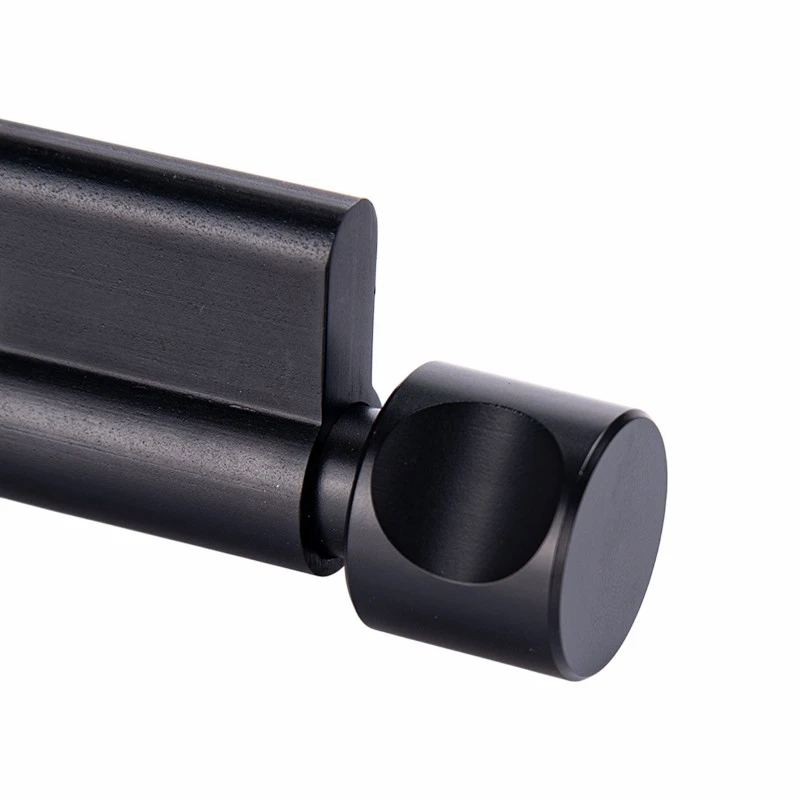
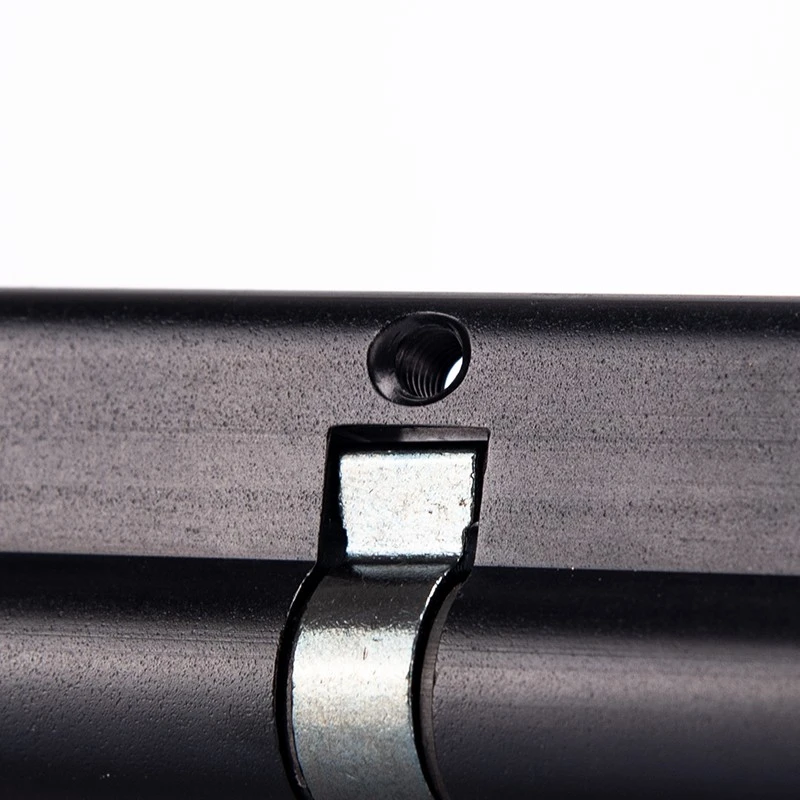
The quality of materials used in the construction of a tailplate cylinder lock is one of the most significant factors affecting its lifespan. High - quality locks are typically made from durable materials such as brass, stainless steel, or aluminum alloy. For example, our Aluminum Alloy Anodizing Single - head Cylinder 70mm is made from anodized aluminum alloy, which provides excellent corrosion resistance and durability. On the other hand, locks made from low - quality materials may wear out quickly, especially in harsh environments.
Frequency of Use
The more frequently a lock is used, the shorter its lifespan is likely to be. In high - traffic areas such as commercial buildings or rental properties, door locks are used multiple times a day. This constant use can cause the pins and tumblers inside the cylinder to wear down, leading to a decrease in the lock's performance over time. In contrast, locks in low - traffic areas, like a rarely used storage room, may last much longer.
Environmental Conditions
Environmental conditions can have a significant impact on the lifespan of a tailplate cylinder lock. Locks exposed to extreme temperatures, high humidity, or corrosive substances are more likely to deteriorate quickly. For instance, locks installed in coastal areas are exposed to saltwater, which can cause corrosion. Similarly, locks in industrial areas may be exposed to chemicals that can damage the lock's components.
Installation and Maintenance
Proper installation and maintenance are crucial for extending the lifespan of a tailplate cylinder lock. If a lock is not installed correctly, it may not function properly, leading to premature wear and tear. Regular maintenance, such as lubricating the lock and cleaning the keyway, can also help prevent dirt and debris from accumulating inside the lock, which can cause it to malfunction.
Average Lifespan of a Tailplate Cylinder Lock
On average, a well - made and properly maintained tailplate cylinder lock can last anywhere from 5 to 15 years. However, this is just a rough estimate, and the actual lifespan can vary widely depending on the factors mentioned above.
In a residential setting with normal use and proper maintenance, a high - quality tailplate cylinder lock can last up to 10 - 15 years. In a commercial setting with high traffic, the lifespan may be reduced to 5 - 10 years.
Signs That a Tailplate Cylinder Lock Needs to Be Replaced
Even with proper maintenance, there will come a time when a tailplate cylinder lock needs to be replaced. Here are some signs that indicate it's time for a new lock:
Difficulty Inserting or Turning the Key
If you find it increasingly difficult to insert or turn the key in the lock, it could be a sign that the pins and tumblers inside the cylinder are worn out. This can make the lock less secure and more prone to break - ins.
Loose or Wobbly Lock
A loose or wobbly lock is a clear indication that the lock's components are no longer functioning properly. This can be caused by wear and tear or improper installation.
Visible Damage
Visible damage to the lock, such as rust, corrosion, or cracks, is another sign that it needs to be replaced. Damaged locks are not only less secure but also more likely to malfunction.
Extending the Lifespan of a Tailplate Cylinder Lock
To get the most out of your tailplate cylinder lock, here are some tips to extend its lifespan:
Choose a High - Quality Lock
Investing in a high - quality lock from the start is the best way to ensure a long lifespan. Look for locks made from durable materials and with a good reputation for reliability. Our New Lock Cylinder 70mm is a great option, offering both quality and performance.
Proper Installation
Have your lock installed by a professional locksmith. A proper installation ensures that the lock functions correctly and reduces the risk of premature wear and tear.
Regular Maintenance
Perform regular maintenance on your lock, such as lubricating the keyway with graphite powder or a silicone - based lubricant. Clean the lock regularly to remove dirt and debris.
Protect the Lock from the Elements
If possible, protect the lock from extreme environmental conditions. For example, you can install a weather shield over the lock to prevent water and dirt from getting in.
Conclusion
The lifespan of a tailplate cylinder lock is influenced by many factors, including the quality of materials, frequency of use, environmental conditions, and installation and maintenance. By understanding these factors and taking appropriate measures, you can extend the lifespan of your lock and ensure the security of your property.
If you're in the market for a high - quality tailplate cylinder lock or need more information about our products, we're here to help. Whether you're a homeowner looking to upgrade your door security or a business owner in need of reliable locks for your commercial property, we have the expertise and products to meet your needs. Contact us today to start a discussion about your specific requirements and find the perfect lock solution for you.
References
- "Locksmithing: A Comprehensive Guide" by John Doe
- "Security Locks and Their Applications" by Jane Smith
- Industry reports on lock durability and performance