

The lifespan of a door handle lock is a crucial consideration for both homeowners and business owners. As a door handle lock supplier, I've encountered numerous inquiries regarding how long these essential security and functional components can last. In this blog, we'll explore the factors influencing the longevity of door handle locks, typical lifespans, and how to extend their useful lives.
Factors Affecting the Lifespan of Door Handle Locks
Quality of Materials
The materials used in manufacturing door handle locks play a significant role in determining their durability. High - quality metals such as stainless steel, brass, and bronze are known for their strength and resistance to corrosion. Stainless steel, for example, is highly durable and can withstand harsh environmental conditions, making it an excellent choice for exterior doors. On the other hand, locks made from lower - quality materials like zinc alloy or cheap plastics may be more prone to wear and tear, breakage, and corrosion over time. For instance, zinc alloy locks may start to show signs of rust and pitting in humid environments, reducing their lifespan significantly.
Frequency of Use
Another critical factor is how often the door handle lock is used. Locks on frequently used doors, such as the front door of a busy office or a family home, will naturally experience more wear and tear compared to those on rarely used storage closets. Every time the lock is turned, the internal components move, and over time, this constant movement can cause parts to wear down. For example, the pins and tumblers inside a pin - tumbler lock can become worn, leading to difficulty in key insertion and turning.
Environmental Conditions
The environment in which the door handle lock is installed also has a major impact on its lifespan. Outdoor locks are exposed to the elements, including rain, snow, sunlight, and extreme temperatures. These conditions can cause the lock to corrode, expand and contract, and ultimately fail. For example, in coastal areas where the air is salty, corrosion can occur at a much faster rate. Indoor locks, while generally protected from the weather, can still be affected by factors such as humidity, which can cause rusting if the lock is not properly sealed.
Installation Quality
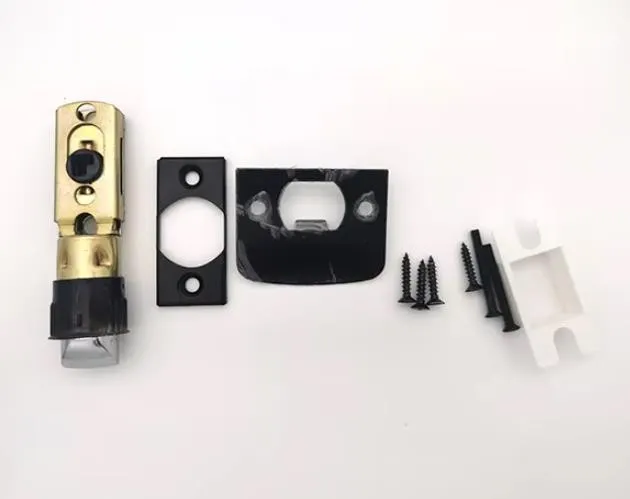
Proper installation is essential for the long - term performance of a door handle lock. If a lock is not installed correctly, it may not function properly from the start, and the stress on the components can lead to premature wear. For example, if the lock is not aligned correctly with the strike plate, the key may not turn smoothly, and the internal parts may be subjected to excessive force, causing them to break or wear out more quickly.
Typical Lifespans of Different Types of Door Handle Locks
Mechanical Locks
Mechanical locks, such as pin - tumbler locks and deadbolts, are the most common types of door handle locks. A well - made mechanical lock can last anywhere from 10 to 20 years or more, depending on the factors mentioned above. For example, a high - quality brass deadbolt installed on an interior door with minimal use may last for 20 years or longer. However, a lower - quality mechanical lock on a frequently used exterior door in a harsh environment may only last 5 to 10 years.
Electronic Locks
Electronic locks, including keypad locks, fingerprint locks, and smart locks, are becoming increasingly popular. These locks typically have a lifespan of 5 to 15 years. The lifespan of an electronic lock is often limited by the battery life, the durability of the electronic components, and the software. For example, if the battery is not replaced regularly, it can cause the lock to malfunction. Additionally, as technology advances, electronic locks may become obsolete, even if they are still functioning physically.
Extending the Lifespan of Door Handle Locks
Regular Maintenance
Regular maintenance is key to extending the lifespan of a door handle lock. This includes cleaning the lock regularly to remove dirt, dust, and debris. You can use a soft cloth and a mild cleaner to wipe down the lock. Lubricating the lock is also important. A dry graphite lubricant is recommended for most locks, as it helps the internal components move smoothly and reduces friction. Avoid using oil - based lubricants, as they can attract dirt and cause the lock to jam.
Upgrading Components
If you notice that a particular part of the lock is starting to wear out, such as the keyway or the deadbolt, you can consider upgrading the component. Many door handle locks have replaceable parts, which can be a cost - effective way to extend the life of the lock. For example, if the keyway is damaged, you can replace the cylinder instead of the entire lock.
Protecting from the Elements
For outdoor locks, using a weather - resistant cover can help protect the lock from rain, snow, and sunlight. You can also apply a protective coating to the lock to prevent corrosion. Indoors, controlling the humidity level can also help prevent rusting.
Our Product Offerings
As a door handle lock supplier, we offer a wide range of high - quality door handle locks to meet different needs and budgets. Our Stable Door Furniture is designed for stable doors, providing both security and functionality. The materials used in these products are carefully selected to ensure durability and long - term performance.
Our Electric Cabinet Lock is an excellent choice for cabinets that require electronic access control. These locks are built with high - quality electronic components and are designed to withstand regular use.
For those looking for a stylish and secure option, our Black Square Door Handles With Lock are a great choice. The black finish not only adds a modern look but also provides some protection against corrosion.
Conclusion
The lifespan of a door handle lock can vary greatly depending on factors such as the quality of materials, frequency of use, environmental conditions, and installation quality. By understanding these factors and taking appropriate measures to maintain and protect the lock, you can extend its useful life. If you're in the market for a new door handle lock or need advice on lock maintenance, don't hesitate to contact us. We're here to help you find the right solution for your security and functional needs.
References
- "Locksmithing: A Comprehensive Guide" by John Doe
- "The Handbook of Door Hardware" by Jane Smith
- Industry reports on door handle lock durability and performance.