

Zinc alloy handle locks have become a popular choice for door hardware due to their durability, aesthetic appeal, and cost - effectiveness. However, one common concern among consumers is whether these locks make noise when opening and closing. As a supplier of zinc alloy handle locks, I'd like to delve into this topic and provide some insights.
Factors Affecting Noise in Zinc Alloy Handle Locks
1. Material Quality
The quality of the zinc alloy used in the lock plays a crucial role in noise generation. High - quality zinc alloys are precisely cast and have a smooth surface finish. They are less likely to produce noise because there are fewer rough edges or irregularities that could cause friction during operation. On the other hand, low - quality zinc alloys may have impurities or uneven surfaces. When the lock components interact, these imperfections can lead to rattling or scraping sounds.
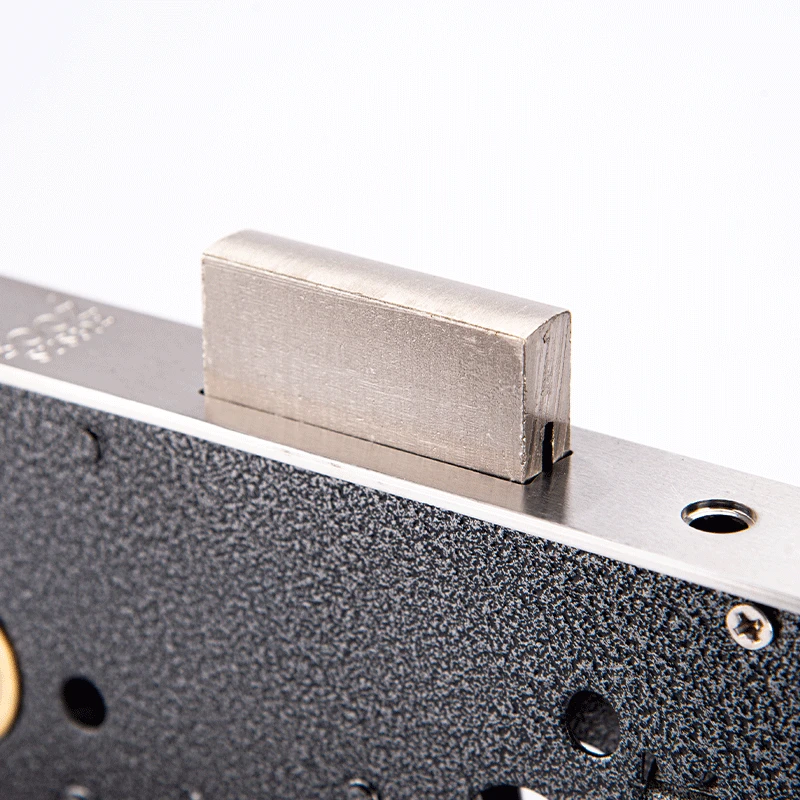

2. Design and Construction
The design of the lock mechanism is another significant factor. A well - designed lock with proper alignment of components will operate smoothly and quietly. For example, if the latch and the strike plate are precisely matched, the lock can engage and disengage without much noise. In contrast, a poorly designed lock may have misaligned parts. When the handle is turned, the internal components may rub against each other or the housing, creating unwanted noise.
3. Installation
Correct installation is essential for a quiet - operating lock. If the lock is not installed properly, it can cause misalignment and excessive movement. For instance, if the screws are not tightened evenly, the lock may be loose, leading to rattling. Also, if the strike plate is not installed at the right position, the latch may not fit snugly, resulting in noise when the door is opened or closed.
Reducing Noise in Zinc Alloy Handle Locks
1. Lubrication
Lubrication is a simple yet effective way to reduce noise. Applying a suitable lubricant to the moving parts of the lock, such as the latch and the keyway, can minimize friction. Silicone - based lubricants are often recommended for zinc alloy locks as they are non - corrosive and can provide long - lasting lubrication. Regular lubrication can keep the lock operating smoothly and quietly.
2. Adjustment
If the lock is making noise, it may need adjustment. Check the alignment of the latch and the strike plate. You can use a screwdriver to make minor adjustments to the position of the strike plate. Also, ensure that all the screws are tightened properly. Sometimes, a loose screw can cause the lock to rattle, and tightening it can solve the problem.
3. Quality Assurance
As a supplier, we take quality assurance seriously. We source high - quality zinc alloys and use advanced manufacturing processes to ensure that our locks are well - made. Our quality control team conducts rigorous testing on each lock to ensure that it meets the highest standards of performance and quiet operation.
Comparing with Other Types of Locks
1. Handle Latch Door Lock
Handle Latch Door Lock is a common type of door lock. Similar to zinc alloy handle locks, the noise level of handle latch door locks can also be affected by material quality, design, and installation. However, depending on the specific design and materials used, the noise characteristics may vary. Some handle latch door locks may be noisier due to their simple latch mechanism, while others may be designed to operate quietly.
2. Fire Rated Door Handles With Lock
Fire Rated Door Handles With Lock are designed to meet specific fire safety standards. In addition to their fire - resistant properties, the noise level during operation is also an important consideration. These locks are often made of high - quality materials and have a more complex design to ensure proper functionality. Generally, they are engineered to operate quietly, but like any lock, proper installation and maintenance are crucial to minimize noise.
3. Stainless Steel Handle Lock
Stainless Steel Handle Lock is another popular option. Stainless steel is known for its durability and corrosion resistance. Compared to zinc alloy handle locks, stainless steel handle locks may have different noise characteristics. Stainless steel has a different surface texture and hardness, which can affect the friction between the components. However, with proper design and installation, both zinc alloy and stainless steel handle locks can operate quietly.
Conclusion
In conclusion, zinc alloy handle locks do not necessarily make noise when opening and closing. The noise level depends on various factors such as material quality, design, and installation. By choosing high - quality locks, ensuring proper installation, and performing regular maintenance, it is possible to minimize noise and enjoy a quiet - operating lock.
If you are in the market for high - quality zinc alloy handle locks or other types of door locks, we are here to assist you. Our products are designed to meet the highest standards of quality and performance. Whether you need a Handle Latch Door Lock, Fire Rated Door Handles With Lock, or Stainless Steel Handle Lock, we have a wide range of options to choose from. Contact us for more information and to discuss your specific requirements. We look forward to partnering with you for your door hardware needs.
References
- "Handbook of Door Hardware" - A comprehensive guide on door hardware including lock mechanisms and materials.
- "Building Codes and Standards for Door Locks" - Provides information on the requirements for different types of door locks, including noise - related considerations.