

As a seasoned supplier of stamped panels, I've encountered numerous inquiries regarding the maintenance requirements of these products. Stamped panels are widely used in various industries, from automotive to consumer electronics, due to their versatility, cost - effectiveness, and aesthetic appeal. In this blog, I'll delve into the question of whether stamped panels require maintenance, exploring the factors that influence this need and providing practical advice for ensuring their longevity.
Understanding Stamped Panels
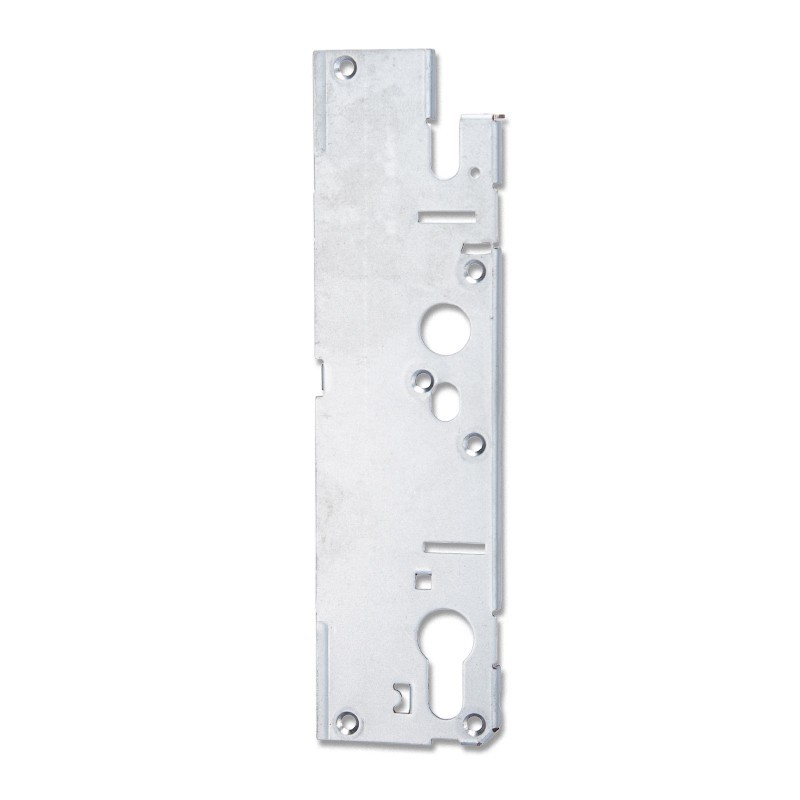
Stamped panels are created through a metal stamping process, where a flat sheet of metal is placed into a stamping press. The press uses a die to cut, shape, or form the metal into the desired panel design. This process can produce panels with intricate shapes, patterns, and features, making them suitable for a wide range of applications.
The materials commonly used for stamped panels include steel, aluminum, and copper. Each material has its own unique properties, such as strength, corrosion resistance, and conductivity. For example, steel stamped panels are known for their high strength and durability, making them ideal for structural applications. Aluminum panels, on the other hand, are lightweight and have excellent corrosion resistance, which is beneficial in outdoor or marine environments.

Factors Influencing Maintenance Needs
Whether stamped panels require maintenance depends on several factors, including the material, the environment in which they are used, and the application.
Material
As mentioned earlier, different metals have different susceptibility to corrosion and wear. Steel panels, especially those made of carbon steel, are prone to rusting if exposed to moisture and oxygen. To prevent rust, a protective coating such as paint, powder coating, or galvanization can be applied during the manufacturing process. However, over time, these coatings may chip or wear off, exposing the underlying steel to the elements. In such cases, maintenance may be required to touch up the coating or apply a new one.
Aluminum panels are more resistant to corrosion than steel because they form a natural oxide layer on their surface. This oxide layer acts as a barrier, protecting the metal from further oxidation. However, in harsh environments with high levels of pollutants or saltwater, the oxide layer may be damaged, and the panel may require cleaning or treatment to restore its protective properties.
Environment
The environment in which stamped panels are installed plays a crucial role in determining their maintenance needs. Panels used in indoor environments are generally less exposed to harsh elements and are less likely to require frequent maintenance. However, they may still accumulate dust, dirt, or fingerprints, which can be easily removed with a mild cleaning solution and a soft cloth.
Outdoor panels, on the other hand, are exposed to a variety of environmental factors such as sunlight, rain, snow, and extreme temperatures. These conditions can cause the panels to fade, warp, or corrode over time. For example, panels installed in coastal areas are at a higher risk of corrosion due to the salt in the air. In such cases, regular inspections and maintenance are necessary to ensure the panels remain in good condition.
Application
The application of stamped panels also affects their maintenance requirements. Panels used in high - traffic areas or those subject to mechanical stress may experience more wear and tear. For instance, stamped panels on automotive doors are constantly opened and closed, which can cause the paint or coating to scratch. In this case, periodic inspections for damage and touch - up repairs may be needed.
Maintenance Practices for Stamped Panels
If maintenance is required for stamped panels, there are several practices that can be followed to keep them in optimal condition.
Cleaning
Regular cleaning is one of the simplest and most effective ways to maintain stamped panels. For indoor panels, a gentle cleaning with a mild detergent and water can remove dirt and grime. Avoid using abrasive cleaners or scrubbers, as they can scratch the surface of the panel.
Outdoor panels may require more thorough cleaning, especially if they are exposed to pollutants or salt. A pressure washer can be used to remove stubborn dirt, but be careful not to use too much pressure, as it can damage the panel's coating. After cleaning, it's important to dry the panels thoroughly to prevent water spots and corrosion.
Inspection
Regular inspections are essential for detecting any signs of damage or wear early on. Check for cracks, chips, rust, or other forms of deterioration. Inspect the edges and corners of the panels, as these areas are more prone to damage. If any issues are found, they should be addressed promptly to prevent further damage.
Coating Repair
If the protective coating on a stamped panel is damaged, it's important to repair it as soon as possible. For small chips or scratches, touch - up paint can be used to cover the exposed metal. For larger areas of damage, the panel may need to be recoated. Before applying a new coating, make sure to clean and prepare the surface properly to ensure good adhesion.
Related Products and Their Importance
In addition to stamped panels, there are other related products that play a role in the overall functionality and durability of the systems in which stamped panels are used. For example, Lock Core Linkage and Clips are essential components in door lock systems. They ensure the smooth operation of the lock and the secure attachment of the lock core to the door.
Door Buckle is another important product. It provides a secure closure for doors, preventing them from accidentally opening. A well - maintained door buckle can enhance the safety and security of a building.
Lock Body Shell protects the internal components of the lock from damage and tampering. It is typically made of stamped metal, and its proper maintenance is crucial for the long - term performance of the lock.
Conclusion
In conclusion, whether stamped panels require maintenance depends on a variety of factors, including the material, environment, and application. While some stamped panels may require minimal maintenance, others may need regular attention to ensure their longevity and performance. By understanding these factors and following proper maintenance practices, you can extend the lifespan of stamped panels and keep them looking and functioning their best.
If you're in the market for high - quality stamped panels or related products, I encourage you to reach out to discuss your specific requirements. Our team of experts is ready to assist you in finding the right solutions for your project.
References
- "Metal Stamping Handbook", Industrial Press Inc.
- "Corrosion of Metals: Principles, Prevention, and Protection", ASM International.
- "Maintenance and Repair of Metal Components", McGraw - Hill Professional.