

Can stamped panels be used in sewage treatment plants? That's a question I've been getting a lot lately, and as a stamped panel supplier, I'm here to share my two cents on this topic.
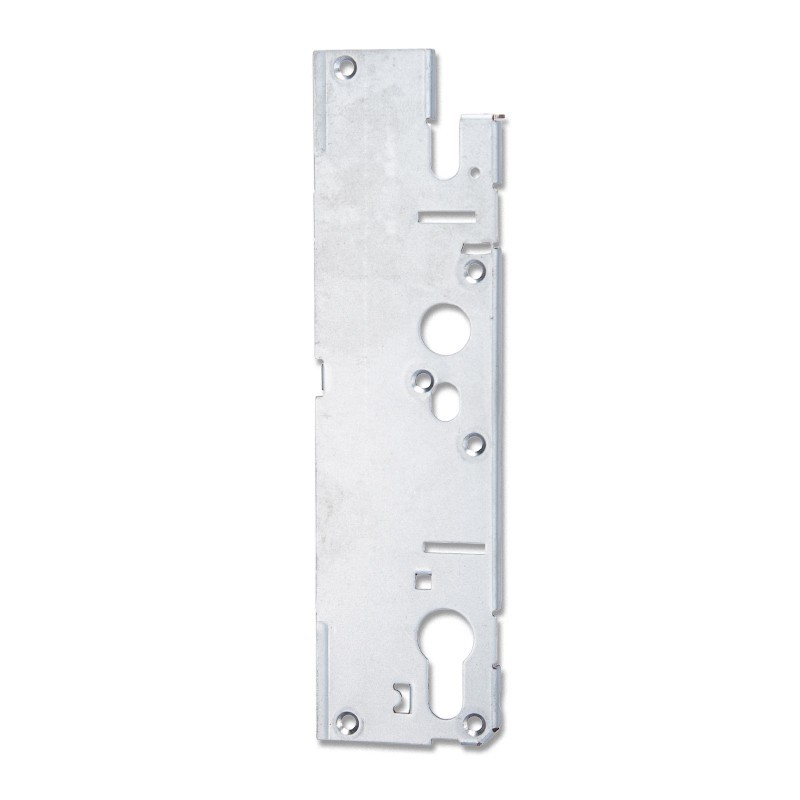
First off, let's talk a bit about what stamped panels are. Stamped panels are metal sheets that have been shaped using a stamping process. This process involves pressing a metal sheet into a die to create a specific shape or pattern. You can check out more about them on our [Stamped Panel] (/door-lock-parts/sheet-metal-accessories/stamped-panel.html) page. They're known for their precision, durability, and cost - effectiveness, which makes them a popular choice in many industries.

Now, when it comes to sewage treatment plants, the environment is quite harsh. Sewage contains a variety of chemicals, including acids, alkalis, and salts. These substances can be highly corrosive, and any equipment or materials used in the plant need to be able to withstand this corrosive environment.
One of the main advantages of using stamped panels in sewage treatment plants is their versatility. They can be customized to fit different parts of the treatment process. For example, they can be used to create enclosures for control panels, which need to be protected from the wet and corrosive environment. Stamped panels can also be used to build small structures within the plant, like walkways or platforms.
In terms of corrosion resistance, not all stamped panels are created equal. If you're considering using stamped panels in a sewage treatment plant, you need to choose the right material. Stainless steel is a great option. It has excellent corrosion resistance properties, which means it can last a long time in the harsh sewage environment. Other materials, like aluminum, can also be used, but they may require additional protective coatings to enhance their corrosion resistance.
Another important factor to consider is the strength of the stamped panels. Sewage treatment plants often have heavy machinery and equipment. The panels need to be strong enough to support the weight of these items without deforming. The stamping process can be adjusted to create panels with different thicknesses and strengths, allowing you to choose the right panel for your specific needs.
Let's take a look at some of the specific applications of stamped panels in sewage treatment plants.
Control Panel Enclosures
Control panels are the brains of a sewage treatment plant. They house all the electrical components that control the various processes, such as pumps, valves, and sensors. These panels need to be protected from the elements, especially moisture and corrosion. Stamped panels can be fabricated into custom - sized enclosures that fit the control panels perfectly. They can be designed with proper ventilation to prevent overheating and with sealed edges to keep out moisture. You can also add features like locks for security. We have some great [Lock Core Linkage and Clips] (/door-lock-parts/sheet-metal-accessories/lock-core-linkage-and-clips.html) and [Lock Body Shell] (/door-lock-parts/sheet-metal-accessories/lock-body-shell.html) options that can be used to secure these enclosures.
Walkways and Platforms
In a sewage treatment plant, workers need to access different parts of the facility. Stamped panels can be used to build walkways and platforms. They can be designed with anti - slip surfaces to ensure the safety of the workers. The panels can be easily installed and replaced if needed, which is a big plus in a maintenance - heavy environment like a sewage treatment plant.

Equipment Housings
There are many pieces of equipment in a sewage treatment plant, such as blowers, mixers, and filters. Stamped panels can be used to create housings for these pieces of equipment. These housings protect the equipment from damage, as well as from the corrosive sewage environment. They can also be designed to provide easy access for maintenance and repairs.

However, there are also some challenges when using stamped panels in sewage treatment plants. As mentioned earlier, corrosion is a major concern. Even with corrosion - resistant materials, regular inspections and maintenance are necessary. Over time, the protective coatings on the panels may wear off, and they may need to be recoated or replaced.
Another challenge is the cost. High - quality stamped panels made from corrosion - resistant materials can be more expensive than other materials. But when you consider the long - term benefits, such as reduced maintenance costs and longer lifespan, the investment can be well worth it.
So, can stamped panels be used in sewage treatment plants? The answer is a resounding yes. They offer a lot of benefits in terms of versatility, strength, and customization. But it's important to choose the right material, design the panels properly, and perform regular maintenance.
If you're in the sewage treatment industry and are thinking about using stamped panels in your plant, I'd love to talk to you. We have a wide range of stamped panel options, and our team can work with you to find the perfect solution for your specific needs. Whether you need custom - sized panels, specific corrosion - resistant materials, or unique designs, we've got you covered. Don't hesitate to reach out and start a conversation about your stamped panel requirements.
References
- Smith, J. (2020). Materials Selection for Harsh Environments. Industrial Materials Journal, 15(2), 34 - 42.
- Johnson, A. (2019). Sewage Treatment Plant Design and Maintenance. Environmental Engineering Review, 22(4), 56 - 67.