

Stamped panels have long been a staple in various industries, from automotive to electronics. But the question that often arises is whether these stamped panels can be effectively used in furniture making. As a supplier of stamped panels, I've had the opportunity to explore this topic in depth and witness the potential they hold in the world of furniture.
The Basics of Stamped Panels
Stamped panels are created through a process known as stamping, which involves pressing a flat sheet of metal, typically steel or aluminum, into a specific shape using a die. This process allows for the production of panels with consistent dimensions and high precision. The panels can be customized with various features such as holes, slots, and embossed patterns, making them versatile for a wide range of applications.
One of the key advantages of stamped panels is their strength and durability. The stamping process work-hardens the metal, increasing its resistance to deformation and wear. This makes stamped panels suitable for furniture that needs to withstand heavy use, such as office desks, industrial storage units, and outdoor furniture.
Advantages of Using Stamped Panels in Furniture Making
1. Design Flexibility
Stamped panels offer a high degree of design flexibility. They can be fabricated into a variety of shapes and sizes, allowing furniture designers to create unique and innovative pieces. Whether it's a sleek modern coffee table or a rustic farmhouse cabinet, stamped panels can be customized to meet the specific design requirements.
For example, stamped panels can be embossed with intricate patterns to add a decorative touch to furniture. These patterns can mimic the look of wood grain, leather, or other materials, providing a cost-effective alternative to traditional materials. Additionally, stamped panels can be cut and bent to create complex geometries, enabling the creation of furniture with unconventional shapes and forms.
2. Cost-Effectiveness
Compared to other materials such as solid wood or high-end plastics, stamped panels are often more cost-effective. The stamping process is highly automated, which reduces labor costs and increases production efficiency. Additionally, the use of metal sheets allows for the efficient use of material, minimizing waste.
In addition to the initial cost savings, stamped panels also offer long-term cost benefits. Their durability means that furniture made from stamped panels is less likely to require frequent repairs or replacements, reducing the overall cost of ownership.
3. Sustainability
In today's environmentally conscious world, sustainability is an important consideration in furniture making. Stamped panels are made from recyclable materials, such as steel and aluminum, which can be easily recycled at the end of their life cycle. This makes them a more sustainable choice compared to some traditional furniture materials, such as solid wood, which may come from non-renewable sources.

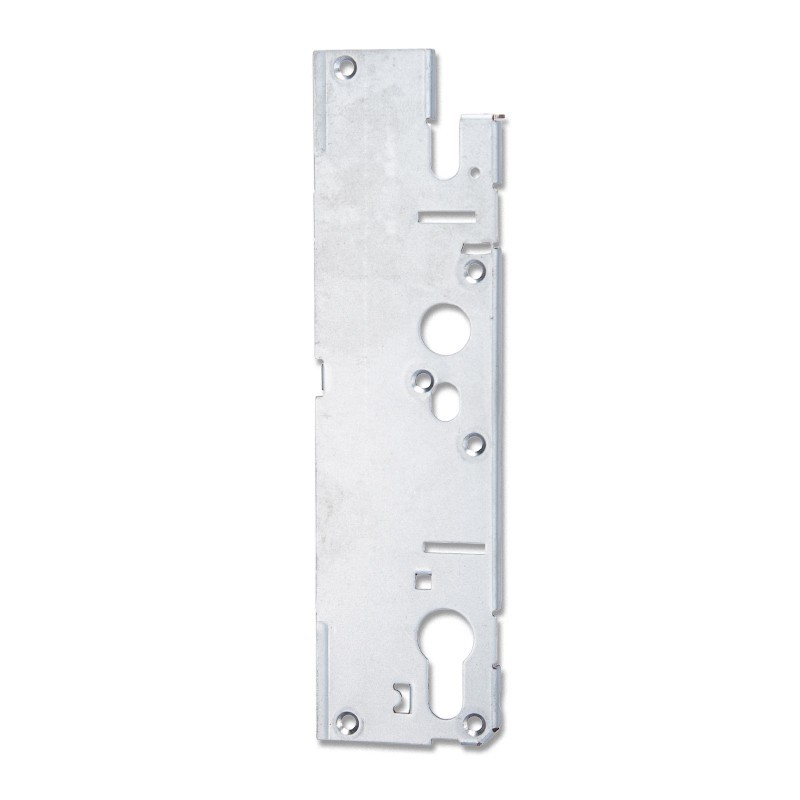
4. Integration with Other Components
Stamped panels can be easily integrated with other components commonly used in furniture making. For instance, they can be combined with Door Buckle for cabinet doors, Lock Body Shell for security features, and Lock Core Linkage and Clips for functional mechanisms. This seamless integration allows for the creation of furniture that is both aesthetically pleasing and highly functional.
Challenges and Considerations
While stamped panels offer many advantages for furniture making, there are also some challenges and considerations that need to be addressed.
1. Surface Finish
The surface finish of stamped panels can have a significant impact on the overall appearance of the furniture. Metal panels can be prone to scratches, dents, and corrosion, which can detract from the aesthetic appeal of the furniture. To address this issue, various surface finishing techniques can be applied, such as painting, powder coating, or plating. These finishes not only enhance the appearance of the panels but also provide protection against corrosion and wear.
2. Weight
Stamped panels, especially those made from steel, can be relatively heavy. This can make the furniture more difficult to move and transport, and it may also require additional structural support. When using stamped panels in furniture making, it's important to consider the weight distribution and ensure that the furniture is designed to handle the load.
3. Noise and Vibration
Metal panels can produce noise and vibration when they come into contact with other surfaces. This can be a concern, especially in furniture that is used in quiet environments, such as bedrooms or offices. To reduce noise and vibration, rubber or foam pads can be used to isolate the panels from other components.
Applications of Stamped Panels in Furniture
Stamped panels can be used in a wide range of furniture applications, including:
1. Cabinetry
Stamped panels are commonly used in cabinetry, such as kitchen cabinets, bathroom vanities, and storage cabinets. They can be used for the cabinet doors, drawers, and sides, providing a durable and stylish solution. The design flexibility of stamped panels allows for the creation of cabinets with unique styles and finishes.
2. Office Furniture
In the office environment, stamped panels are used in desks, filing cabinets, and office partitions. Their strength and durability make them suitable for the heavy use and wear associated with office furniture. Additionally, the ability to customize the panels with different colors and patterns allows for the creation of office furniture that matches the corporate decor.
3. Outdoor Furniture
Stamped panels are also a popular choice for outdoor furniture, such as patio tables, chairs, and benches. Their resistance to corrosion and weathering makes them suitable for outdoor use. The panels can be finished with a powder coating or other protective finish to enhance their durability and appearance.
Conclusion
In conclusion, stamped panels can be effectively used in furniture making. They offer a range of advantages, including design flexibility, cost-effectiveness, sustainability, and integration with other components. While there are some challenges and considerations, such as surface finish, weight, and noise, these can be addressed through proper design and finishing techniques.
As a supplier of stamped panels, I am confident in the potential of these panels to revolutionize the furniture industry. Whether you are a furniture designer, manufacturer, or retailer, I encourage you to explore the possibilities of using stamped panels in your next project. If you are interested in learning more about our stamped panels or would like to discuss a specific application, please feel free to contact us for a procurement discussion.
References
- Smith, J. (2020). Metal Stamping: A Comprehensive Guide. Industrial Press.
- Johnson, M. (2019). Furniture Design and Manufacturing. McGraw-Hill Education.
- Brown, A. (2018). Sustainable Materials in Furniture Making. Routledge.