

As a supplier of Lock Body Shells, I've spent a great deal of time contemplating the effectiveness of these components in preventing break - ins. This topic is not only crucial for homeowners and businesses concerned about security but also for the overall perception of the products we offer.
The Basics of a Lock Body Shell
A Lock Body Shell is an integral part of any locking mechanism. It serves as the outer casing that houses the internal components of a lock, such as the tumblers, pins, and springs. The primary function of the shell is to protect these sensitive parts from external interference and physical damage.
The material used in the construction of a Lock Body Shell plays a significant role in its ability to deter break - ins. Common materials include steel, brass, and aluminum. Steel is known for its high strength and durability. It can withstand a significant amount of force, making it difficult for intruders to break through. Brass, on the other hand, is not only strong but also resistant to corrosion. This makes it a popular choice for locks that are exposed to the elements. Aluminum is lightweight and relatively inexpensive, but it may not be as strong as steel or brass.
How Lock Body Shells Deter Break - Ins
One of the main ways a Lock Body Shell prevents break - ins is by providing a physical barrier. When an intruder tries to force open a lock, they first have to deal with the shell. A well - constructed shell can resist brute - force attacks, such as hammering or prying. For example, a thick steel shell can absorb the impact of a hammer without deforming, keeping the internal components of the lock intact.
In addition to physical strength, the design of the Lock Body Shell also matters. Some shells are designed with anti - drill features. These features can include hardened steel inserts or special coatings that make it difficult for an intruder to drill through the shell. Once an intruder realizes that they cannot easily drill through the shell, they may be discouraged from continuing their attempt to break in.
Another aspect is the way the shell interacts with the rest of the locking mechanism. A properly designed shell ensures that the internal components are well - protected and function correctly. For instance, it can prevent dust, dirt, and debris from entering the lock, which could otherwise cause the lock to malfunction. A malfunctioning lock is easier to pick or bypass, so keeping the lock in good working condition is essential for security.
Limitations of Lock Body Shells
However, it's important to note that a Lock Body Shell is not a foolproof solution for preventing break - ins. While it can significantly increase the security of a lock, determined intruders may still find ways to overcome it. For example, some advanced tools can cut through even the strongest steel shells. Additionally, if an intruder has access to the right knowledge and techniques, they may be able to pick the lock without damaging the shell.
Moreover, the effectiveness of a Lock Body Shell also depends on how well it is installed. If the shell is not properly aligned or secured, it may be easier for an intruder to bypass. For instance, a loose shell can be pried open more easily, even if it is made of strong material.

Complementary Security Measures
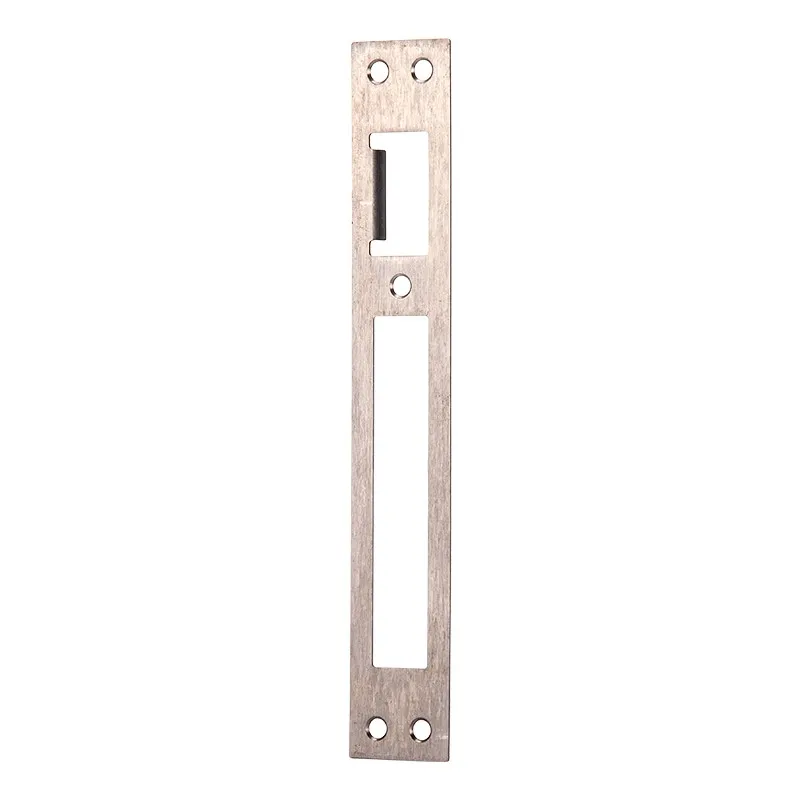
To enhance the security provided by a Lock Body Shell, it's advisable to use complementary security measures. For example, a Door Buckle can add an extra layer of protection. A door buckle is a simple yet effective device that can prevent a door from being forced open from the outside. It works by engaging with a strike plate on the door frame, creating a strong connection that resists prying.
Another useful accessory is the Hardware Spring Plate. This plate can help to reinforce the lock and the surrounding area. It can absorb some of the force from a break - in attempt, reducing the stress on the lock body shell and making it more difficult for an intruder to succeed.
Real - World Examples
In real - world scenarios, the effectiveness of a Lock Body Shell can vary. In some cases, a high - quality shell has successfully prevented break - ins. For example, in a residential area where homeowners installed locks with strong steel shells, the number of reported break - ins decreased significantly. The intruders were unable to force open the locks, and many gave up their attempts.
On the other hand, there have also been instances where even the best - designed shells were overcome. In some commercial settings, where the potential rewards for a break - in are higher, intruders may use more sophisticated tools and techniques. These situations highlight the need for a comprehensive security strategy that goes beyond just relying on a Lock Body Shell.
Conclusion
In conclusion, a Lock Body Shell can play a vital role in preventing break - ins. Its strength, design, and ability to protect the internal components of a lock can act as a significant deterrent to intruders. However, it is not a standalone solution. To ensure maximum security, it should be used in conjunction with other security measures such as door buckles and hardware spring plates.
If you are interested in enhancing the security of your premises, our Lock Body Shell products are designed to meet the highest standards of quality and durability. We offer a wide range of options to suit different needs and budgets. Whether you are a homeowner looking to protect your family or a business owner safeguarding your assets, our products can provide the security you need. If you would like to discuss your requirements further, please feel free to reach out to us for a detailed consultation and procurement negotiation.
References
- "Security of Locks and Locking Systems" - A comprehensive study on the effectiveness of different lock components in preventing break - ins.
- "Materials for Lock Manufacturing" - Research on the properties and performance of various materials used in lock body shells.