

As a sheet metal accessories supplier, I often get asked about the chemical - resistance properties of our products. In this blog, I'll share some insights on this topic.
First off, let's understand what sheet metal accessories are. We're talking about a wide range of items like Door Buckle, Stamped Panel, and Hardware Spring Plate. These accessories are used in various industries, from automotive to construction, and even in household items.
The chemical - resistance of sheet metal accessories is super important. It determines how well these parts can withstand exposure to different chemicals in their working environments. For example, in the automotive industry, parts might be exposed to engine oils, coolants, and road salts. In a chemical manufacturing plant, the accessories could come into contact with strong acids or alkalis.
The chemical - resistance of sheet metal mainly depends on the type of metal used and any surface treatments applied.
Types of Metals and Their Chemical Resistance
Steel
Steel is one of the most commonly used metals in sheet metal accessories. There are different types of steel, and each has its own level of chemical resistance.
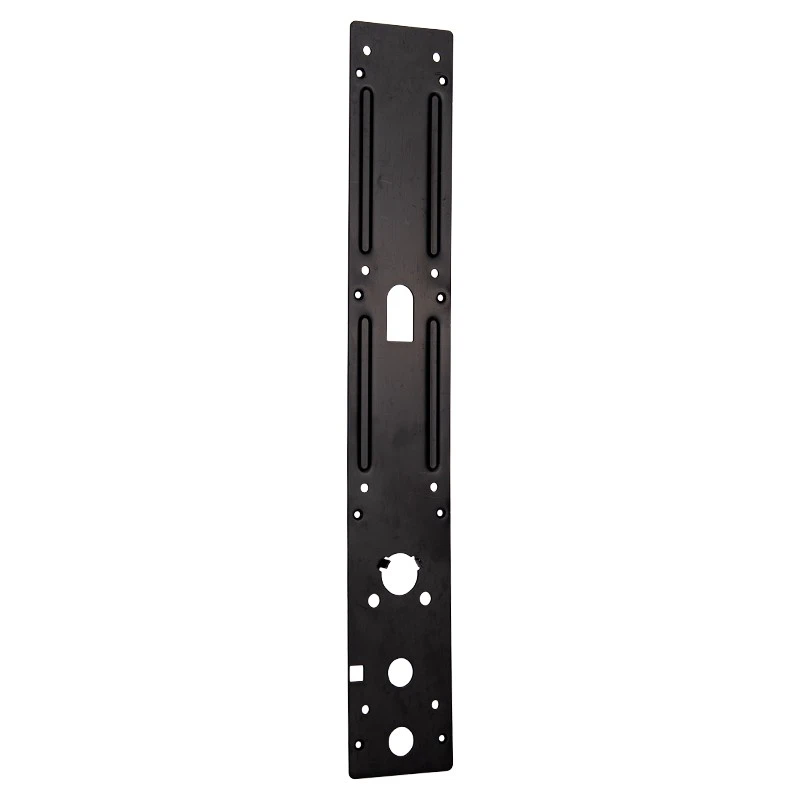

- Carbon Steel: This is the most basic type of steel. It's strong and relatively inexpensive. However, carbon steel is prone to rusting when exposed to moisture and oxygen. Rust is a form of corrosion that occurs when iron in the steel reacts with oxygen in the presence of water. In environments with high humidity or where there's contact with water, carbon steel accessories need some form of protection. For example, they can be coated with paint or a rust - inhibiting primer.
- Stainless Steel: Stainless steel is a game - changer when it comes to chemical resistance. It contains chromium, which forms a thin, passive oxide layer on the surface of the metal. This layer protects the steel from corrosion. Different grades of stainless steel have different levels of chemical resistance. For instance, 304 stainless steel is commonly used in general - purpose applications. It's resistant to many mild chemicals, such as food acids and some cleaning agents. But in more aggressive chemical environments, like those with high concentrations of chlorides, a higher - grade stainless steel like 316 might be needed. 316 stainless steel has a higher molybdenum content, which enhances its resistance to chloride - induced corrosion. So, in marine environments or in applications where there's contact with saltwater, 316 stainless steel is a better choice for sheet metal accessories.
Aluminum
Aluminum is another popular choice for sheet metal accessories. It has excellent corrosion resistance due to the formation of a natural oxide layer on its surface. This oxide layer is thin, transparent, and self - healing. If the surface is scratched, the aluminum reacts with oxygen in the air to quickly reform the protective layer.
Aluminum is resistant to many chemicals, including some acids and alkalis. However, its resistance depends on the pH of the chemical. In acidic solutions with a pH between 4 and 8, aluminum has good resistance. But in very acidic or very alkaline solutions, the oxide layer can be dissolved, leading to corrosion. For example, in a strong hydrochloric acid solution, aluminum will react and dissolve over time.
Surface Treatments for Enhanced Chemical Resistance
In addition to choosing the right metal, surface treatments can significantly improve the chemical resistance of sheet metal accessories.
Galvanizing
Galvanizing is a process where a layer of zinc is applied to the surface of the steel. Zinc acts as a sacrificial anode. When the galvanized steel is exposed to a corrosive environment, the zinc corrodes first, protecting the underlying steel. Galvanized sheet metal accessories are commonly used in outdoor applications, such as in fencing and roofing. The zinc coating can provide long - term protection against rust and corrosion, especially in environments with moderate levels of moisture and pollution.
Powder Coating
Powder coating is a popular surface treatment method. It involves applying a dry powder to the surface of the sheet metal and then heating it to form a hard, durable finish. Powder coatings can provide excellent chemical resistance, as well as good abrasion and impact resistance. There are different types of powder coatings available, each formulated to resist specific chemicals. For example, some powder coatings are designed to be resistant to solvents, while others are better at withstanding acids or alkalis.
Anodizing
Anodizing is mainly used for aluminum sheet metal accessories. It's an electrochemical process that thickens the natural oxide layer on the surface of the aluminum. Anodized aluminum has improved chemical resistance, as well as better wear resistance. The anodized layer can be dyed to different colors, which is also a plus for aesthetic purposes. Anodized aluminum accessories are commonly used in architectural applications, where they need to withstand the elements and look good at the same time.
Testing the Chemical Resistance of Sheet Metal Accessories
As a supplier, we take the chemical resistance of our sheet metal accessories seriously. We conduct various tests to ensure that our products meet the required standards.
One common test is the salt - spray test. In this test, the sheet metal samples are placed in a chamber where a fine mist of saltwater is sprayed onto them. The samples are then observed over a period of time to see if any signs of corrosion, such as rust spots or surface discoloration, appear. The longer the samples can withstand the salt - spray without showing signs of corrosion, the better their chemical resistance.
We also perform immersion tests. In these tests, the samples are immersed in specific chemicals for a set period. After the immersion, the samples are examined for any changes in appearance, weight, or mechanical properties. For example, if a sample is immersed in an acid solution, we'll check if the metal has lost any material due to corrosion and if its strength has been affected.
Real - World Applications and Chemical Resistance Requirements
Automotive Industry
In the automotive industry, sheet metal accessories need to withstand a variety of chemicals. For example, engine parts made of sheet metal are exposed to engine oil, coolant, and fuel. The chemical resistance of these parts is crucial to ensure their long - term performance. Door latches and hinges, which are often made of steel or aluminum, need to resist corrosion from road salts, especially in areas where salt is used on roads during winter. Stainless steel or galvanized steel is commonly used for these components to provide the necessary chemical resistance.
Construction Industry
In construction, sheet metal accessories are used in roofing, siding, and door and window frames. These accessories are exposed to the elements, including rain, snow, and air pollutants. For roofing sheets, aluminum or galvanized steel is often used because of their good corrosion resistance. In coastal areas, where there's a high concentration of salt in the air, 316 stainless steel or highly anodized aluminum might be preferred for better protection against corrosion.
Chemical Manufacturing Industry
In chemical plants, sheet metal accessories are in direct contact with various chemicals. Here, the chemical resistance requirements are extremely high. Stainless steel with high - grade alloys is often used for equipment like storage tanks, pipes, and valves. These accessories may also be coated with specialized chemical - resistant linings to provide an extra layer of protection.
Conclusion
The chemical - resistance properties of sheet metal accessories are crucial for their performance and longevity in different applications. By choosing the right type of metal and applying appropriate surface treatments, we can ensure that our sheet metal accessories can withstand the chemical challenges they'll face.
As a sheet metal accessories supplier, we're committed to providing high - quality products with excellent chemical resistance. Whether you need Door Buckle, Stamped Panel, or Hardware Spring Plate, we have the expertise to meet your specific chemical - resistance requirements.
If you're in the market for sheet metal accessories and want to discuss your needs in terms of chemical resistance, feel free to reach out. We're here to help you find the best solutions for your applications.
References
- Ashby, M. F., & Jones, D. R. H. (2012). Engineering Materials 1: An Introduction to Properties, Applications, and Design. Butterworth - Heinemann.
- Fontana, M. G. (1986). Corrosion Engineering. McGraw - Hill.
- Uhlig, H. H., & Revie, R. W. (1985). Corrosion and Corrosion Control: An Introduction to Corrosion Science and Engineering. Wiley - Interscience.